Acetyl-L-Carnitine vs L-Carnitine: Which Form and Why It Matters
| What it is | A compound the body makes from two amino acids; it shuttles fatty acids into mitochondria to be burned for energy. |
| Why it matters | Oxygen-hungry, hard-working tissues — heart, muscle, the muscles of breathing — depend on efficient mitochondria for energy. |
| The key difference | Acetyl-L-carnitine (ALCAR) crosses into the brain and nerves; L-carnitine (L-tartrate) suits exercise and general energy. |
| Label tip | Always choose the L form, name the exact type, and read the milligrams per serving. |
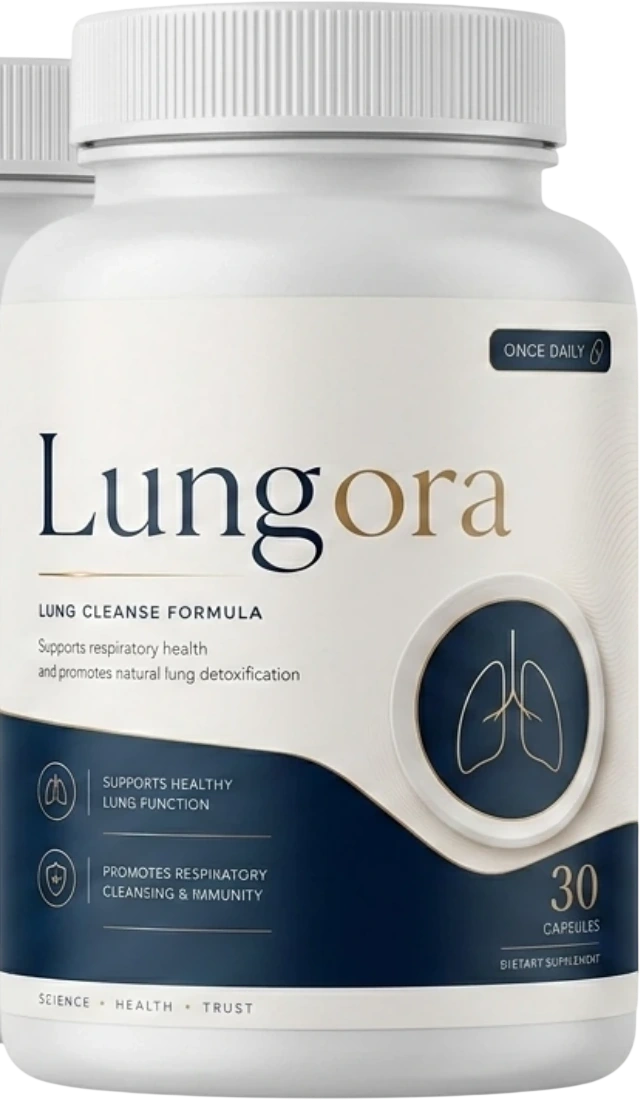
Walk down the supplement aisle and you will meet carnitine wearing several different names — L-carnitine, acetyl-L-carnitine, L-carnitine L-tartrate, propionyl-L-carnitine — and it is easy to assume they are interchangeable. They are not. They share the same energy-carrying core, but small chemical differences steer each one toward a different job. Because L-carnitine is one of the actives in Lungora, it is worth understanding what carnitine does and how acetyl-L-carnitine vs L-carnitine really compare. This is general educational information about how the ingredient works, not medical advice or a promise to treat anything.
What carnitine actually is
Carnitine is a compound your body builds from two amino acids, lysine and methionine, with help from vitamin C and a few other nutrients. It is concentrated where energy demand is highest — skeletal muscle and the heart hold the largest stores — and its job is one of the most important in all of metabolism: it is the shuttle that carries fat into the furnace. The shuttle description is literal biochemistry rather than a metaphor: dedicated transporters carry long-chain fatty acids across the mitochondrial membrane, a route mapped in Carnitine transport and fatty acid oxidation (Biochim Biophys Acta, 2016).
Here is the picture. Most of the fat you use for fuel is in the form of long-chain fatty acids, and these cannot cross the inner membrane of the mitochondria on their own. Carnitine grabs them, ferries them across that membrane, and releases them inside, where they are burned to make ATP, the cell’s energy currency. Without enough carnitine, that fat sits outside the door unable to be used efficiently. This is why carnitine is so tightly linked to cellular energy, and why it appears in formulas aimed at the oxygen-hungry, hard-working tissues of the body.
Why carnitine belongs in a respiratory-energy formula
Breathing is muscular work. The diaphragm and the muscles between the ribs contract every few seconds, all day and all night, and like the heart they never really rest. Tissues that work continuously are exactly the tissues that depend most on efficient mitochondria, which is the connection between an energy nutrient like carnitine and the wider theme of respiratory stamina. The same mitochondrial logic underlies two other actives we cover on this blog — the electron-carrier in our ubiquinol vs ubiquinone CoQ10 guide and the antioxidant cofactor in our alpha lipoic acid explainer — which is why carnitine, CoQ10 and alpha lipoic acid are so often found together. Carnitine brings the fuel in; CoQ10 helps turn it into energy; alpha lipoic acid helps keep the process clean.
Acetyl-L-carnitine vs L-carnitine: the real difference
All the useful forms share the carnitine core; what changes is the small group attached to it, and that group decides where the compound goes and what it is best suited for. Whichever form you take, it feeds the same beta-oxidation pathway described in Mitochondrial beta-oxidation of saturated fatty acids in humans (Mitochondrion, 2019). The acetyl group changes where the molecule is best delivered, not what the pathway does.
L-carnitine (and L-carnitine L-tartrate)
This is carnitine in its base form. L-carnitine L-tartrate simply binds it to tartaric acid for stability and quick absorption, and it is the version most associated with exercise, physical energy and recovery. If the goal is general daily energy and supporting working muscle, plain L-carnitine or the L-tartrate form is the straightforward choice.
Acetyl-L-carnitine (ALCAR)
Add an acetyl group and you get acetyl-L-carnitine. That small change makes the molecule better able to cross the blood-brain barrier, so ALCAR is the form favoured for brain, mood and nervous-system support. The acetyl group is itself useful, feeding into the production of acetylcholine, a key neurotransmitter. If cognitive and nerve support is the aim, ALCAR is the form usually chosen.
Propionyl-L-carnitine (PLCAR)
A third form attaches a propionyl group and is most studied in the context of blood flow and circulation, because propionyl-carnitine is linked to the health of the cells lining blood vessels. It is a more specialist choice, but worth knowing about. The circulation angle connects neatly to our guide on butcher’s broom and circulation.
What Is Inside a Lungora Capsule
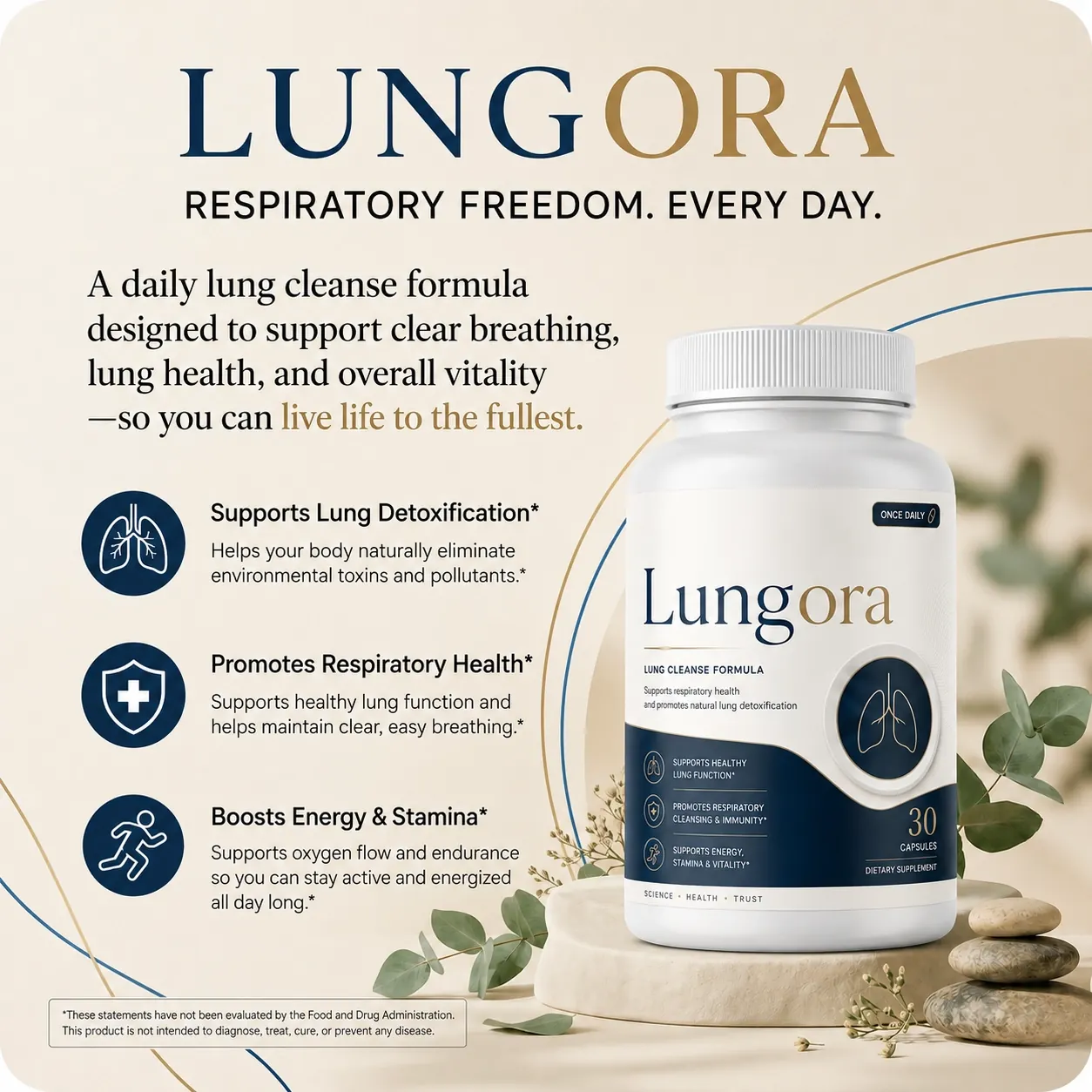
Lungora puts magnesium glycinate, alpha lipoic acid, butcher’s broom, L-carnitine, turmeric extract and CoQ10 in one capsule a day, labelled to support respiratory health, with a 60-day money-back guarantee from purchase.
The L vs D point you must not miss
Like several ingredients we cover, carnitine is a chiral molecule, meaning it exists as two mirror-image versions: L-carnitine and D-carnitine. Only the L form is biologically active and safe to use — it is the form your body makes and recognises. D-carnitine is not useful and can actually interfere with the natural L form. The practical rule is simple: every quality product will clearly say L-carnitine or acetyl-L-carnitine, and you should avoid anything that lists plain "DL-carnitine". This is the same natural-isomer logic we describe for the R and S forms in our alpha lipoic acid guide: name the active form, and choose it deliberately.
Dosing context: how much and when
In the research literature, supplemental carnitine is most often studied in the range of roughly 500 to 2000 mg per day, frequently divided across servings. The best-fitting amount depends heavily on the form and the goal — ALCAR studies for cognitive support and L-tartrate studies for exercise use somewhat different ranges. In a multi-ingredient daily formula the carnitine amount is usually toward the lower end, because it is one of several actives working together rather than a stand-alone high-dose product. Before settling on any amount, the NIH Office of Dietary Supplements carnitine fact sheet sets out typical intakes, who is genuinely at risk of deficiency and which medicines carnitine can interact with.
Carnitine is generally well tolerated, which makes sense given that the body makes it and we eat it every day. The most commonly noted effect at higher doses is a mild fishy body odour, which lowering the dose resolves. Anyone with a thyroid or kidney condition, and anyone who is pregnant, should speak with a healthcare professional before supplementing. As always, stay within the amount on the label.
What to look for on a carnitine label
- The exact form. Decide whether you want acetyl-L-carnitine (brain and nerves), L-carnitine / L-tartrate (exercise and general energy) or propionyl-L-carnitine (circulation), and check the label matches.
- The L designation. Confirm it clearly says the L form and steer clear of DL-carnitine.
- Milligrams per serving. A stated number beats an ingredient hidden inside a proprietary blend.
- Sensible company. In an energy-focused formula, carnitine alongside CoQ10 and alpha lipoic acid shows the mitochondrial process is being supported as a whole rather than in isolation.
Where your body already gets it
The name carnitine comes from the Latin for flesh, which is a good clue to its dietary sources: red meat is by far the richest, followed by other meats, fish, poultry and, in smaller amounts, dairy. Plant foods contain very little, which is one reason the topic interests people eating mostly plant-based diets, although a healthy body also makes its own carnitine from amino acids. Supplemental carnitine is used when someone wants a more concentrated, consistent amount for energy or a specific goal, and it works best as a complement to a good diet rather than a replacement for it.
How carnitine fits the bigger picture
Carnitine is the fuel-delivery member of the cellular-energy team, and it is a clear example of why the form on the label matters as much as the name. In a respiratory-wellness routine it sits alongside the electron-carrier CoQ10, the antioxidant network and the botanicals we cover across this blog, and behind all of them are the everyday habits — movement, breathing practice, clean air and good food — that we set out in how to support healthy lung function naturally. To see how L-carnitine is combined with the other actives in a single daily capsule, visit the Lungora home page.
Frequently asked questions
What does L-carnitine do in the body?
L-carnitine shuttles long-chain fatty acids into the mitochondria, the parts of the cell that burn fuel for energy. Without it those fats cannot be used efficiently, which is why carnitine is closely tied to cellular energy, especially in busy tissues like muscle and heart. This is general information, not a treatment claim.
What is the difference between acetyl-L-carnitine and L-carnitine?
They share the same carnitine core, but acetyl-L-carnitine (ALCAR) carries an extra acetyl group that helps it cross into the brain and nervous system, so it is favoured for cognitive and nerve support. Plain L-carnitine, often as L-tartrate, is favoured for exercise and general energy. Choose the form for the goal.
Why does the L in L-carnitine matter?
Carnitine exists as two mirror-image forms, L and D. Only the L form is biologically active and safe to supplement; the D form is not useful and can interfere. Always choose a product labelled L-carnitine or acetyl-L-carnitine and avoid anything listing DL-carnitine.
How much carnitine do people usually take?
Supplement doses in the research literature commonly range from about 500 to 2000 mg per day, often split across servings. In a multi-ingredient daily formula the amount is usually lower because carnitine works alongside other actives. Follow the label and check with a professional if you have thyroid or kidney concerns.
What should I look for on a carnitine label?
Check the exact form (acetyl-L-carnitine, L-carnitine L-tartrate or propionyl-L-carnitine), that it clearly says the L form, and the milligrams per serving. The right form depends on whether your goal is cognitive support, exercise or circulation.
Is carnitine safe to take daily?
Carnitine is made by the body and found in food, and supplements are generally well tolerated, with a fishy body odour possible at higher doses. Anyone with thyroid or kidney conditions, or who is pregnant, should speak with a healthcare professional first. Stay within the label amount.
About the Lungorae Editorial Desk
The Lungorae Editorial Desk is an independent group of wellness writers and reviewers focused on respiratory nutrition. We translate primary sources — government nutrition bodies, peer-reviewed literature and established reference texts — into plain, practical guidance, and we review each article for accuracy before publication. We do not provide medical advice; our aim is to help you ask better questions and read labels with confidence. Have a correction or a source to suggest? Write to the editor through the contact page.
References
- Carnitine transport and fatty acid oxidation — Longo N et al., Biochimica et Biophysica Acta, 2016.
- Mitochondrial beta-oxidation of saturated fatty acids in humans — Mitochondrion, 2019.
- Carnitine — Health Professional Fact Sheet — NIH Office of Dietary Supplements.
Every PubMed identifier above was checked against its NCBI record when this guide was written, so each link opens the paper it is named as. Research on an ingredient is not research on a finished product, and none of these studies tested the Lungora capsule.
† These statements have not been evaluated by the FDA. This product is not intended to diagnose, treat, cure or prevent any disease. This article is for general information only and is not medical advice; new or worsening breathlessness needs a doctor, not a supplement. Affiliate disclosure: this is an independent guide, not the manufacturer or seller, and some links here earn us a commission at no extra cost to you.