Butcher's Broom Benefits for Circulation: How the Traditional Botanical Works
| What it is | A traditional botanical (Ruscus aculeatus) long used to support healthy circulation and venous tone. |
| Active compounds | Steroidal saponins called ruscogenins, traditionally linked to supporting the tone of vein walls. |
| Why in a lung formula | Healthy circulation supports the delivery of oxygen and nutrients throughout the body. |
| Label tip | Look for Ruscus aculeatus, the part used, and an extract standardized to a stated percentage of ruscogenins. |
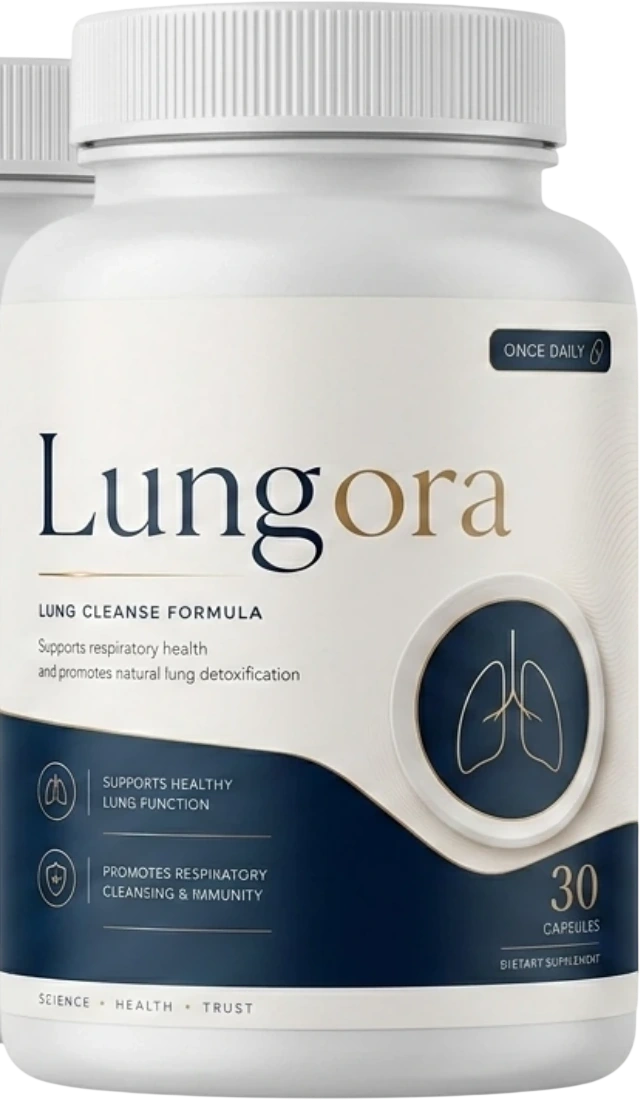
Not every ingredient in a respiratory formula is an antioxidant or a mineral. Some are there to support the plumbing — the circulatory system that carries oxygen from the lungs to every cell and returns for more. Butcher’s broom is one of those quiet circulatory workhorses, a traditional botanical with a long history in European herbalism that now appears in modern blends such as Lungora. In this guide we explain the genuine butcher’s broom benefits for circulation, how its active compounds are thought to work, and what a trustworthy label should tell you. As always, this is general and traditional-use information, not medical advice or a claim to treat any condition.
What butcher's broom actually is
Butcher’s broom (Ruscus aculeatus) is a small, spiky evergreen shrub native to the Mediterranean and parts of Europe. Its curious common name comes from a very literal history: butchers once bound its stiff branches into brooms to sweep their chopping blocks. The part used medicinally is the root and underground stem, or rhizome, which is where the plant concentrates its active compounds. The steroidal saponins that give the genus its pharmacological interest — ruscogenin and neoruscogenin among them — are catalogued in Ruscus Genus: A Rich Source of Bioactive Steroidal Saponins (Planta Med, 2016).
One clarification worth making immediately, because it trips people up: butcher’s broom is not the same as “broom” or Scotch broom (Cytisus scoparius), an unrelated plant with quite different and more cautionary properties. This is precisely why the Latin name on a label matters — a theme that runs through every ingredient guide on this site. When you see butcher’s broom, look for Ruscus aculeatus to be sure you have the right botanical.
The mechanism: how butcher's broom supports circulation
The active constituents of butcher’s broom are a group of steroidal saponins known collectively as ruscogenins (chiefly ruscogenin and neoruscogenin), alongside flavonoids. Traditional and modern herbal texts describe the plant as a venotonic — a botanical associated with supporting the tone of the veins.
1. Supporting venous tone
Veins carry blood back toward the heart, often working against gravity in the legs, and they rely on healthy wall tone and one-way valves to do it. Butcher’s broom is traditionally associated with supporting the normal tone and integrity of vein walls. This is the core of its reputation as a circulatory botanical and the reason it has featured for generations in preparations aimed at leg comfort and healthy venous function. The pooled human evidence sits in a meta-analysis of clinical trials of the Ruscus-based preparation Cyclo 3 Fort in chronic venous insufficiency (Int Angiol, 2003), and it concerns leg veins in people with diagnosed venous insufficiency, not airways in healthy adults.
2. Supporting healthy vascular function
Its constituents are also traditionally linked to supporting the normal integrity of small blood vessels and a healthy microcirculation. Why does that belong in a respiratory-support formula? Because breathing and circulation are two halves of one system: the lungs load oxygen onto the blood, and the circulatory network delivers it to every working tissue — including the muscles of breathing themselves. Supporting healthy circulation therefore complements the oxygen-focused actives elsewhere in the blend, such as the energy nutrient in our CoQ10 form guide and the mineral in magnesium glycinate for lung health.
Reading a butcher's broom label
Botanical labels reward a careful eye more than almost any other category, because plant potency varies with species, plant part, growing conditions and extraction method. Here is what a trustworthy butcher’s broom label should tell you:
- Botanical name — Ruscus aculeatus, not just “broom”. The Latin name removes any ambiguity about the species.
- Plant part — root and rhizome, the part that holds the active ruscogenins.
- Standardization — ideally an extract standardized to a stated percentage of ruscogenins, so the active content is measured rather than varying from batch to batch.
- Amount per serving — the milligrams of extract, stated openly rather than buried in a large proprietary blend.
Standardization is the single most valuable word to look for. A crude powder can contain wildly different amounts of active compound depending on the harvest; a standardized extract is tuned to deliver a consistent dose. This is the same principle we apply to the curcumin extract in our guide to turmeric curcumin for respiratory support — with botanicals, standardization is how a label earns your trust.
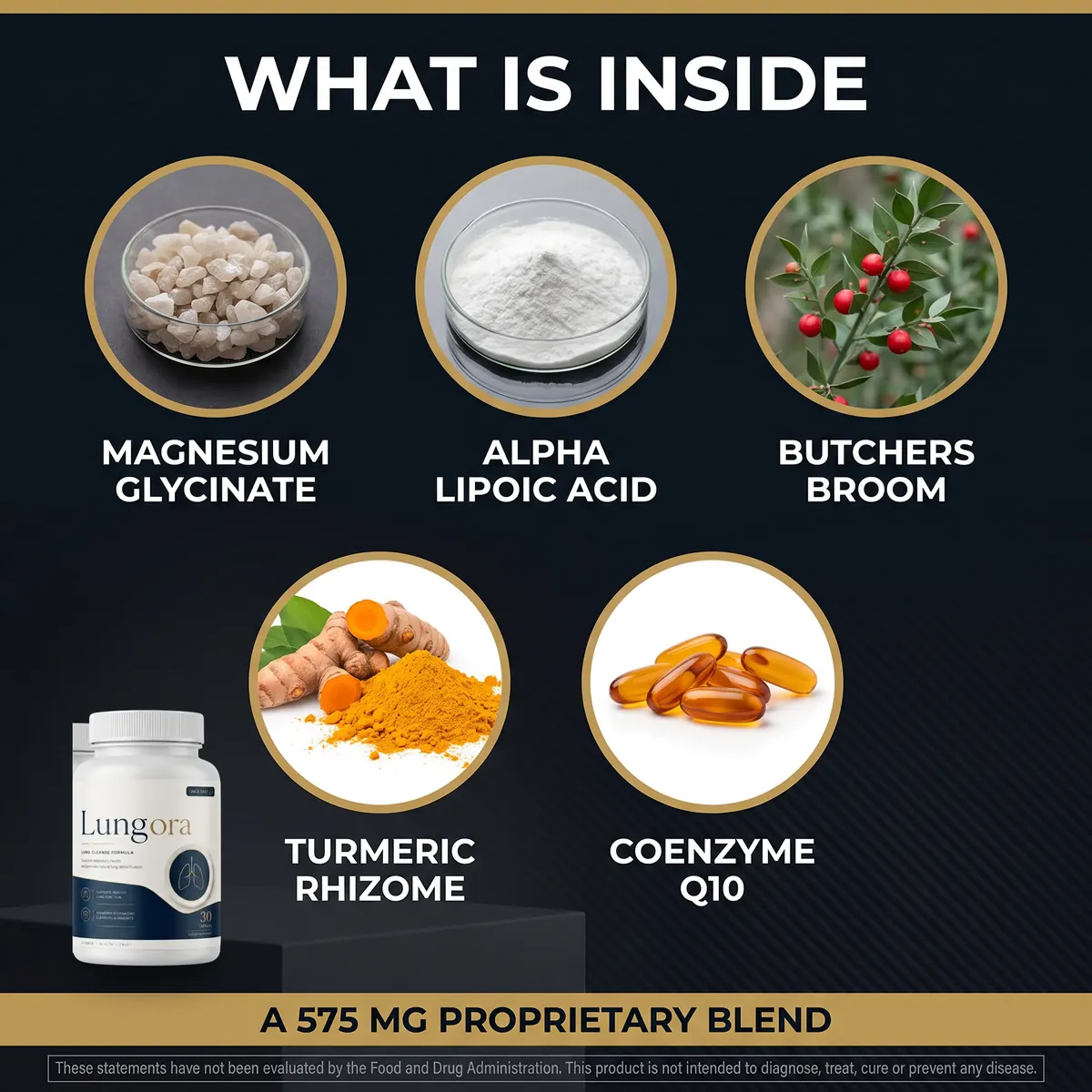
What Is Inside a Lungora Capsule
Lungora puts magnesium glycinate, alpha lipoic acid, butcher’s broom, L-carnitine, turmeric extract and CoQ10 in one capsule a day, labelled to support respiratory health, with a 60-day money-back guarantee from purchase.
Dosing and safety context
Traditional and study preparations of butcher’s broom vary, but standardized extracts are typically dosed to provide a defined amount of ruscogenins per day, sometimes alongside vitamin C and other circulatory nutrients as it has historically been combined. In a multi-ingredient daily formula the amount is set to complement the other actives rather than to stand alone. As with the whole formula, the aim is steady daily support at a sensible amount, not a single heavy dose. Later clinical commentary on the same preparation, including tolerability, is summarised in New data on chronic venous disease: a new place for Cyclo 3 Fort (Int Angiol, 2018).
Butcher’s broom has a long record of traditional use and is generally well tolerated, with occasional mild digestive upset reported. A few sensible cautions apply: because it acts on the vascular system, anyone with high blood pressure, anyone taking related medication, and pregnant or breastfeeding women should speak with a healthcare professional before use. This is ordinary prudence for any active botanical — the goal is to use it thoughtfully, not to fear it.
A botanical with deep roots
Butcher’s broom is a reminder that some of the most useful supplement ingredients are not new discoveries but old friends, refined by modern standardization. Its long European tradition as a circulatory tonic is exactly why it still earns a place beside cutting-edge antioxidants and energy nutrients. The point of a good formula is not one hero ingredient but a well-chosen team, each covering a different base — mineral, antioxidant, energy and circulation.
Where butcher's broom fits the whole picture
In a respiratory-support routine, butcher’s broom is the circulatory piece of the puzzle, working alongside the antioxidants we cover in alpha lipoic acid for the lungs and the daily habits described in how to support healthy lung function naturally. Circulation and respiration are partners, and supporting both is more sensible than fixating on either alone. To see how butcher’s broom is combined with the rest of the actives in a single daily capsule, visit the Lungora home page.
Frequently asked questions
What is butcher's broom used for?
Butcher’s broom (Ruscus aculeatus) is a traditional botanical long used to support healthy circulation, particularly venous tone in the legs. In supplements it is valued as a venotonic, meaning it is traditionally associated with supporting the tone of vein walls. This is general and traditional-use information, not a claim to treat any medical condition.
How does butcher's broom work?
Its active compounds are steroidal saponins called ruscogenins. Traditionally these are associated with supporting the normal tone and integrity of vein walls and healthy vascular function. Good circulation supports the delivery of oxygen and nutrients throughout the body, which is why a circulatory botanical appears in a respiratory-wellness formula.
What should a butcher's broom label show?
Look for the botanical name Ruscus aculeatus, the part used (root and rhizome), and ideally an extract standardized to a stated percentage of ruscogenins. A standardized extract tells you the active content is measured rather than left to vary batch to batch.
How much butcher's broom is typical?
Traditional and study preparations vary, but standardized extracts are often dosed to provide a defined amount of ruscogenins per day. In a multi-ingredient daily formula the amount is set to complement the other actives. Always follow the label and ask a professional if you are unsure.
Is butcher's broom the same as broom or Scotch broom?
No. Butcher’s broom (Ruscus aculeatus) is a small evergreen shrub unrelated to Scotch broom (Cytisus scoparius), which is a different plant with different, more cautionary properties. Always check the Latin name on the label to be sure you have the right botanical.
Can I take butcher's broom every day?
It is commonly included in once-daily circulatory and respiratory formulas and has a long history of traditional daily use. Stay within the label amount and, if you have blood-pressure concerns or take related medication, check with a healthcare professional first.
About the Lungorae Editorial Desk
The Lungorae Editorial Desk is an independent group of wellness writers and reviewers focused on respiratory nutrition. We translate primary sources — government nutrition bodies, peer-reviewed literature and established reference texts — into plain, practical guidance, and we review each article for accuracy before publication. We do not provide medical advice; our aim is to help you ask better questions and read labels with confidence. Have a correction or a source to suggest? Write to the editor through the contact page.
References
- Ruscus Genus: A Rich Source of Bioactive Steroidal Saponins — Planta Medica, 2016.
- Meta-analysis of clinical trials of Cyclo 3 Fort in the treatment of chronic venous insufficiency — International Angiology, 2003.
- New data on chronic venous disease: a new place for Cyclo 3 Fort — International Angiology, 2018.
Every PubMed identifier above was checked against its NCBI record when this guide was written, so each link opens the paper it is named as. Research on an ingredient is not research on a finished product, and none of these studies tested the Lungora capsule.
† These statements have not been evaluated by the FDA. This product is not intended to diagnose, treat, cure or prevent any disease. This article is for general information only and is not medical advice; new or worsening breathlessness needs a doctor, not a supplement. Affiliate disclosure: this is an independent guide, not the manufacturer or seller, and some links here earn us a commission at no extra cost to you.