Ubiquinol vs Ubiquinone: Choosing a CoQ10 Form for Cellular Energy
| Same molecule | Ubiquinone and ubiquinol are the oxidized and reduced forms of coenzyme Q10; the body converts between them all day. |
| Why it matters | CoQ10 is central to making ATP inside mitochondria — the energy that oxygen-hungry tissue relies on — and is a fat-soluble antioxidant. |
| The trade-off | Ubiquinol may absorb better (helpful with age); ubiquinone is proven, stable and cheaper. |
| Label tip | Check which form, the mg per serving, and whether it is in an oil/softgel base for absorption. |
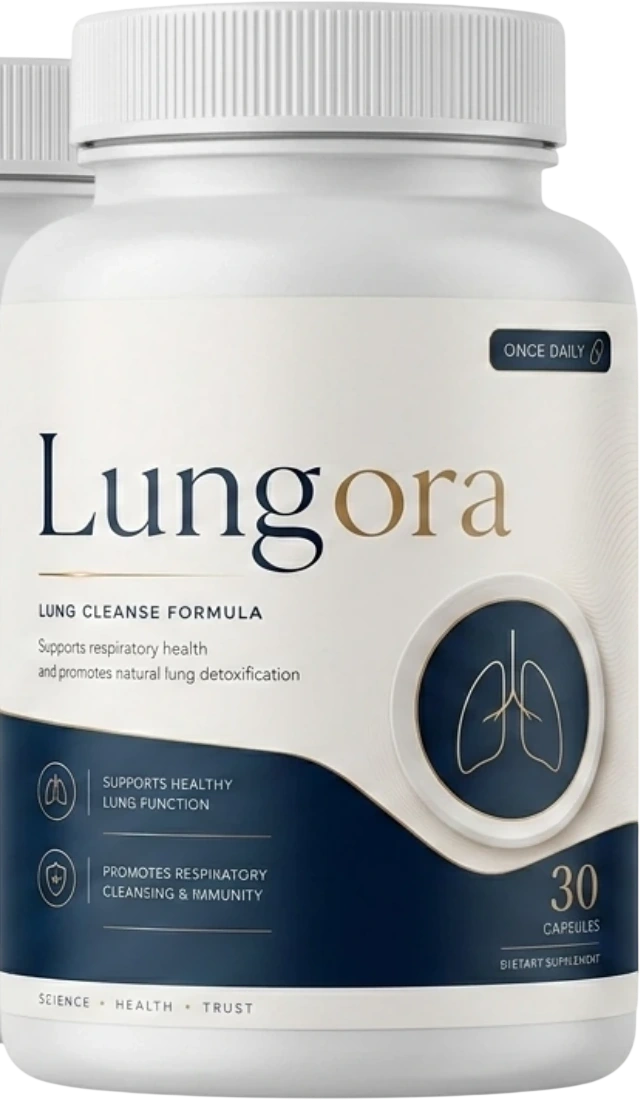
Coenzyme Q10 — CoQ10 for short — is one of the most familiar names in the energy aisle, yet the two words you see on the labels, ubiquinol and ubiquinone, cause more confusion than almost any other supplement choice. Are they different products? Is one a waste of money? Because the muscles of breathing and other oxygen-hungry tissues run on the energy CoQ10 helps produce, it earns its spot in a respiratory-support formula such as Lungora. This guide settles the ubiquinol vs ubiquinone question in plain language, explains the mechanism, and shows you what the label is really telling you. It is general information, not medical advice.
First, what CoQ10 actually does
Every cell contains mitochondria, the microscopic power plants that convert food and oxygen into ATP, the molecule your body spends as energy. The final assembly line in that process is called the electron transport chain, and CoQ10 is a shuttle that carries electrons along it. Without CoQ10, that chain grinds to a halt — which is why it is not an optional extra but a core piece of cellular machinery. The biology, from electron transport to the redox cycling between the two forms, is covered comprehensively in Understanding coenzyme Q (Physiol Rev, 2024).
The tissues that need the most energy hold the most mitochondria, and therefore the most CoQ10: the heart, the liver, the kidneys and the hard-working muscles of respiration. That is the logical thread linking CoQ10 to breathing wellness — not a claim that it treats any lung condition, but the simple fact that the tissues doing the mechanical work of moving air depend on a well-fuelled energy system. CoQ10 has a second job too: in its reduced form it is a potent fat-soluble antioxidant, protecting the very membranes where energy is made. That antioxidant angle connects it to the network we describe in alpha lipoic acid for the lungs.
Ubiquinol vs ubiquinone: the actual difference
Here is the key that unlocks the whole debate: ubiquinol and ubiquinone are the same molecule in two different states. The two forms were compared directly for plasma levels in healthy volunteers in Comparison study of plasma coenzyme Q10 levels in healthy subjects supplemented with ubiquinol versus ubiquinone (Clin Pharmacol Drug Dev, 2014) — and the gap was smaller than the marketing usually implies.
- Ubiquinone is the oxidized form. It has given up its electrons. This is the classic, original form of CoQ10 used in most of the published research.
- Ubiquinol is the reduced form. It is carrying electrons — the “charged” state. This is the form that acts as an antioxidant.
Inside your body, CoQ10 cycles between these two states continuously as it does its job — ubiquinone becomes ubiquinol, gives up its electrons, becomes ubiquinone again, and round it goes. Crucially, your digestive system and cells can convert whichever form you swallow into the form they need at that moment. So both forms ultimately top up the same CoQ10 pool.
So why do ubiquinol products cost more?
The argument for ubiquinol is absorption. Because it is already in the reduced state, some studies suggest ubiquinol is absorbed more efficiently, and this may matter more as we age, since the body’s ability to convert ubiquinone to ubiquinol appears to become less efficient over time. For older adults, or for anyone who has struggled to raise their CoQ10 levels with standard ubiquinone, ubiquinol can be a sensible choice.
The argument for ubiquinone is evidence, stability and value. It is the form behind decades of research, it is more chemically stable (ubiquinol oxidises readily unless carefully stabilised), and it is generally less expensive. A well-formulated ubiquinone in an oil base, taken with a fatty meal, performs well for most people. In other words, this is a genuine trade-off rather than a clear winner — exactly the kind of nuance we favour over hype across this blog, including in our magnesium glycinate label guide.
Reading the CoQ10 label
Once you understand the two forms, a CoQ10 label becomes easy to read. Run through this quick checklist:
- Which form? The label will say “coenzyme Q10 (as ubiquinone)” or “(as ubiquinol)”. Now you know what each means — and that neither is wrong.
- Milligrams per serving — the actual CoQ10 delivered, stated openly rather than hidden in a blend.
- Delivery base — because CoQ10 is fat-soluble, an oil-based softgel or a lipid delivery system usually absorbs better than dry powder in a plain capsule.
- Serving instructions — a note to take it with food is a good sign the maker understands its absorption.
The same rule of thumb applies here as everywhere on this site: name the form, state the amount, and make it absorbable. If a label does all three, it is being honest with you.
What Is Inside a Lungora Capsule
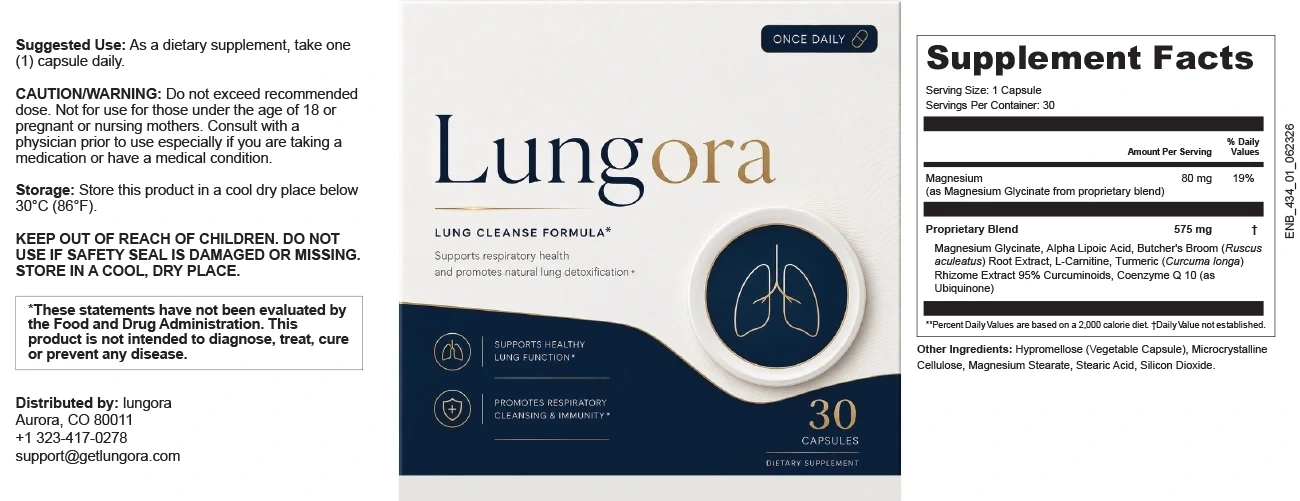
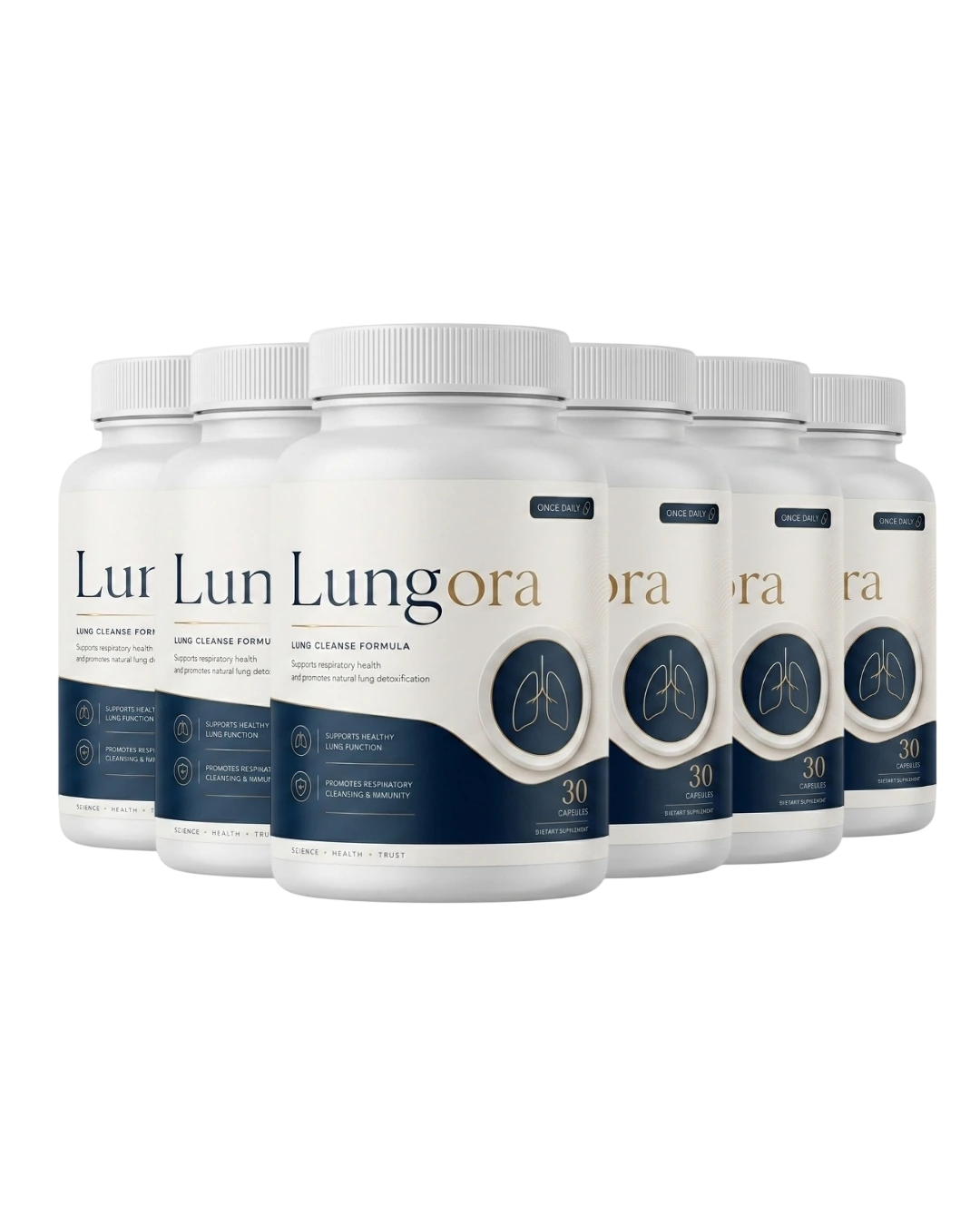
Lungora puts magnesium glycinate, alpha lipoic acid, butcher’s broom, L-carnitine, turmeric extract and CoQ10 in one capsule a day, labelled to support respiratory health, with a 60-day money-back guarantee from purchase.
Dosing and absorption context
CoQ10 supplement doses in the research literature commonly range from around 100 to 200 mg per day for general wellness, with higher amounts used in specific clinical studies. Because it is fat-soluble, the single most useful habit is to take it with a meal containing some fat — this can meaningfully improve how much you absorb. Splitting a larger amount into two smaller doses also tends to raise blood levels more effectively than one big dose, since absorption is limited per sitting. In a multi-ingredient daily formula, CoQ10 is usually present at a supportive amount as part of the wider blend. Formulation, not just form, drives how much reaches the blood; several were compared side by side in Comparative Bioavailability of Different Coenzyme Q10 Formulations in Healthy Elderly Individuals (Nutrients, 2020).
CoQ10 is generally well tolerated, with occasional mild digestive upset at higher doses. The most important context is medication: CoQ10 can interact with blood-thinning drugs such as warfarin, and separately, some cholesterol-lowering statin medications are known to lower the body’s own CoQ10 levels — which is one reason people on statins sometimes discuss supplementation with their doctor. Always raise CoQ10 with a healthcare professional if you take prescription medicine.
Why levels fall — and who considers it
Your body makes its own CoQ10, so healthy young adults usually have plenty. Two things change that picture. First, natural CoQ10 production tends to decline with age, gradually reducing tissue levels. Second, as noted, certain medications can deplete it. Between them, these factors explain why CoQ10 supplements are so popular among older adults and anyone focused on sustained energy. It is a nutrient you can also get in small amounts from food — organ meats, oily fish and whole grains are the richest sources — though, as with several actives on this blog, food amounts are modest next to a supplement dose.
Where CoQ10 fits the whole formula
CoQ10 is the energy anchor of a respiratory-support stack: the mineral supports muscle function, the antioxidants manage oxidative load, the botanicals support circulation, and CoQ10 keeps the mitochondrial fires lit. You can read about the circulatory piece in our guide to butcher’s broom benefits for circulation, and about the daily habits that underpin all of it in how to support healthy lung function naturally. To see how CoQ10 is combined with the rest of the actives in a single daily capsule, visit the Lungora home page. The other half of the mitochondrial story is the fuel itself, which is why this guide pairs naturally with our explainer on acetyl-L-carnitine versus L-carnitine.
Frequently asked questions
What is the difference between ubiquinol and ubiquinone?
They are two forms of the same molecule, coenzyme Q10. Ubiquinone is the oxidized form, and ubiquinol is the reduced (electron-carrying) form. The body constantly converts one into the other as part of energy production, so both ultimately feed the same pool. Ubiquinol is often marketed as pre-reduced and more absorbable, especially for older adults.
Why does CoQ10 matter for oxygen-hungry tissue like the lungs?
CoQ10 sits inside the mitochondrial electron transport chain, the final step in turning food and oxygen into ATP, the cell’s energy currency. Tissues that work constantly, including the muscles of breathing and the heart, are rich in mitochondria and therefore depend heavily on CoQ10. It also acts as a fat-soluble antioxidant. This is general information, not a treatment claim.
Is ubiquinol always better than ubiquinone?
Not necessarily. Ubiquinol can show higher absorption in some studies, but standard ubiquinone has decades of research behind it and is generally less expensive and more stable. For many people, a well-formulated ubiquinone taken with a fatty meal works well. The best choice depends on age, budget and individual response.
How should CoQ10 be taken for best absorption?
CoQ10 is fat-soluble, so it absorbs best when taken with a meal that contains some fat. Softgels in an oil base and other lipid-based delivery forms tend to absorb better than dry powder in a plain capsule. Splitting a larger amount into two doses can also help.
Does the body make its own CoQ10?
Yes. The body synthesises CoQ10, but natural production tends to decline with age, and certain medications can lower CoQ10 levels. That is the main reason people consider supplementing. Discuss it with a healthcare professional if you take medication that affects CoQ10 status.
Can I take CoQ10 with my other supplements?
CoQ10 is commonly combined with minerals, antioxidants and botanicals in daily formulas and pairs naturally with them. The key cautions are around prescription medication, especially blood thinners, so review your full list with a professional. Stay within the amount on the label.
About the Lungorae Editorial Desk
The Lungorae Editorial Desk is an independent group of wellness writers and reviewers focused on respiratory nutrition. We translate primary sources — government nutrition bodies, peer-reviewed literature and established reference texts — into plain, practical guidance, and we review each article for accuracy before publication. We do not provide medical advice; our aim is to help you ask better questions and read labels with confidence. Have a correction or a source to suggest? Write to the editor through the contact page.
References
- Understanding coenzyme Q — Physiological Reviews, 2024.
- Comparison study of plasma coenzyme Q10 levels in healthy subjects supplemented with ubiquinol versus ubiquinone — Clinical Pharmacology in Drug Development, 2014.
- Comparative Bioavailability of Different Coenzyme Q10 Formulations in Healthy Elderly Individuals — Nutrients, 2020.
Every PubMed identifier above was checked against its NCBI record when this guide was written, so each link opens the paper it is named as. Research on an ingredient is not research on a finished product, and none of these studies tested the Lungora capsule.
† These statements have not been evaluated by the FDA. This product is not intended to diagnose, treat, cure or prevent any disease. This article is for general information only and is not medical advice; new or worsening breathlessness needs a doctor, not a supplement. Affiliate disclosure: this is an independent guide, not the manufacturer or seller, and some links here earn us a commission at no extra cost to you.