Alpha Lipoic Acid Benefits for Lungs: How the Universal Antioxidant Works
| What it is | A sulphur-containing compound that acts as both an antioxidant and a mitochondrial cofactor for turning food into energy. |
| Why for lungs | It helps the body manage the oxidative load the airways constantly meet from air, pollution and metabolism. |
| The special trick | It works in both water- and fat-based parts of the cell, and can help regenerate spent vitamins C, E and glutathione. |
| Label tip | Check whether it is standard (racemic) ALA or a specified R-ALA fraction, and the milligrams per serving. |
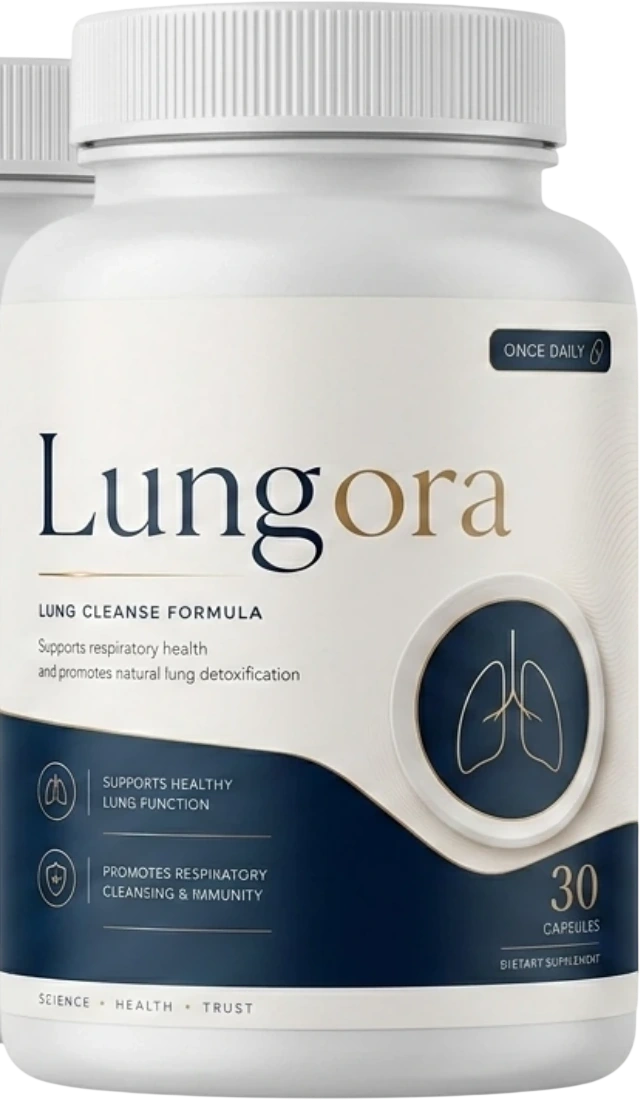
If magnesium is the mineral that keeps the machinery relaxed, alpha lipoic acid is one of the antioxidants that keeps it clean. It has an unusual dual personality — part antioxidant, part energy cofactor — which is exactly why it turns up in respiratory-support formulas such as Lungora. In this guide we explain the real alpha lipoic acid benefits for the lungs, walk through the mechanism in plain language, and show you what the abbreviations on the label (ALA, R-ALA, racemic) actually mean. As always, this is general educational information, not medical advice or a promise to treat anything.
What alpha lipoic acid actually is
Alpha lipoic acid (sometimes written α-lipoic acid, ALA, or thioctic acid) is a naturally occurring compound made in small amounts by every cell in your body. Chemically it contains two sulphur atoms, and that sulphur is the source of much of its antioxidant power. The body uses it as an essential cofactor for several enzymes deep inside the mitochondria — the tiny power plants that convert the food you eat into usable energy. The dual water- and fat-soluble behaviour that earns it the “universal antioxidant” label was set out in alpha-Lipoic acid as a biological antioxidant (Free Radic Biol Med, 1995).
What makes it stand out from the antioxidant crowd is solubility. Most antioxidants are specialists: vitamin C works in the watery interior of cells, while vitamin E guards fatty membranes. Alpha lipoic acid is amphipathic, meaning it dissolves in both water and fat. That single property lets it operate almost anywhere — in the blood, inside the cell, and within the fatty membranes that surround it — which is why researchers often describe it as a “universal” or “metabolic” antioxidant.
The mechanism: how alpha lipoic acid benefits the lungs
To understand why an antioxidant matters for breathing, picture the job the lungs actually do. Around twenty thousand times a day they draw in outside air — along with whatever it carries: traffic exhaust, particulates, pollen and the ordinary oxidants produced whenever the body uses oxygen. That constant exposure creates oxidative stress, an imbalance between reactive molecules and the defences that neutralise them. Antioxidants are the counterweight.
1. Direct free-radical neutralising
Both the oxidised form (alpha lipoic acid) and its reduced form (dihydrolipoic acid) can quench a broad range of reactive oxygen species. Because it moves freely between watery and fatty compartments, it can reach oxidants that narrower antioxidants cannot, helping the body keep its overall oxidative balance in check.
2. Recycling the rest of the antioxidant team
This is the feature that genuinely sets ALA apart. When vitamin C or vitamin E neutralises a free radical, it is itself used up and needs to be regenerated. The reduced form of alpha lipoic acid can help restore these spent antioxidants — vitamin C, vitamin E and glutathione — back to their active state. In effect, a modest amount of ALA extends the working life of the whole network, which is one reason it is so often paired with other antioxidants in a formula. We cover a complementary member of that team in our guide to turmeric curcumin for respiratory support. The recycling role, and the anti-inflammatory signalling that comes with it, are reviewed in Lipoic Acid: its antioxidant and anti-inflammatory role and clinical applications (Curr Top Med Chem, 2015).
3. Supporting mitochondrial energy
Beyond its antioxidant role, alpha lipoic acid is a cofactor for pyruvate dehydrogenase and other mitochondrial enzymes that sit at the heart of energy production. Tissues that never rest — including the muscles of breathing — depend on efficient mitochondria. The energy angle overlaps with another active we discuss in our CoQ10 form guide, and the two are frequently combined for exactly that reason.
R-ALA vs S-ALA: what the label is telling you
Here is where a little chemistry saves you money. Alpha lipoic acid is a chiral molecule, which means it exists as two mirror-image versions that cannot be superimposed, rather like your left and right hands. These are labelled R-ALA and S-ALA.
- R-ALA is the natural form — the version your body synthesises and the enzymes recognise. It is the biologically active isomer.
- S-ALA is a by-product created during chemical manufacturing. It is not made in the body.
- Racemic ALA is a 50/50 blend of both R and S. Most inexpensive supplements simply say “alpha lipoic acid” and are racemic by default.
None of this makes standard racemic ALA a poor choice — it is the form used in a great deal of the published research. But if a label specifies R-ALA or a stabilised R-form, it is telling you it has chosen the natural isomer, and that detail is worth noticing when you compare products. Either way, look for the milligram amount per serving stated clearly rather than buried in a proprietary blend, so you know how much you are getting. Our companion piece on reading a magnesium label uses the same principle: name the form, state the amount.
What Is Inside a Lungora Capsule
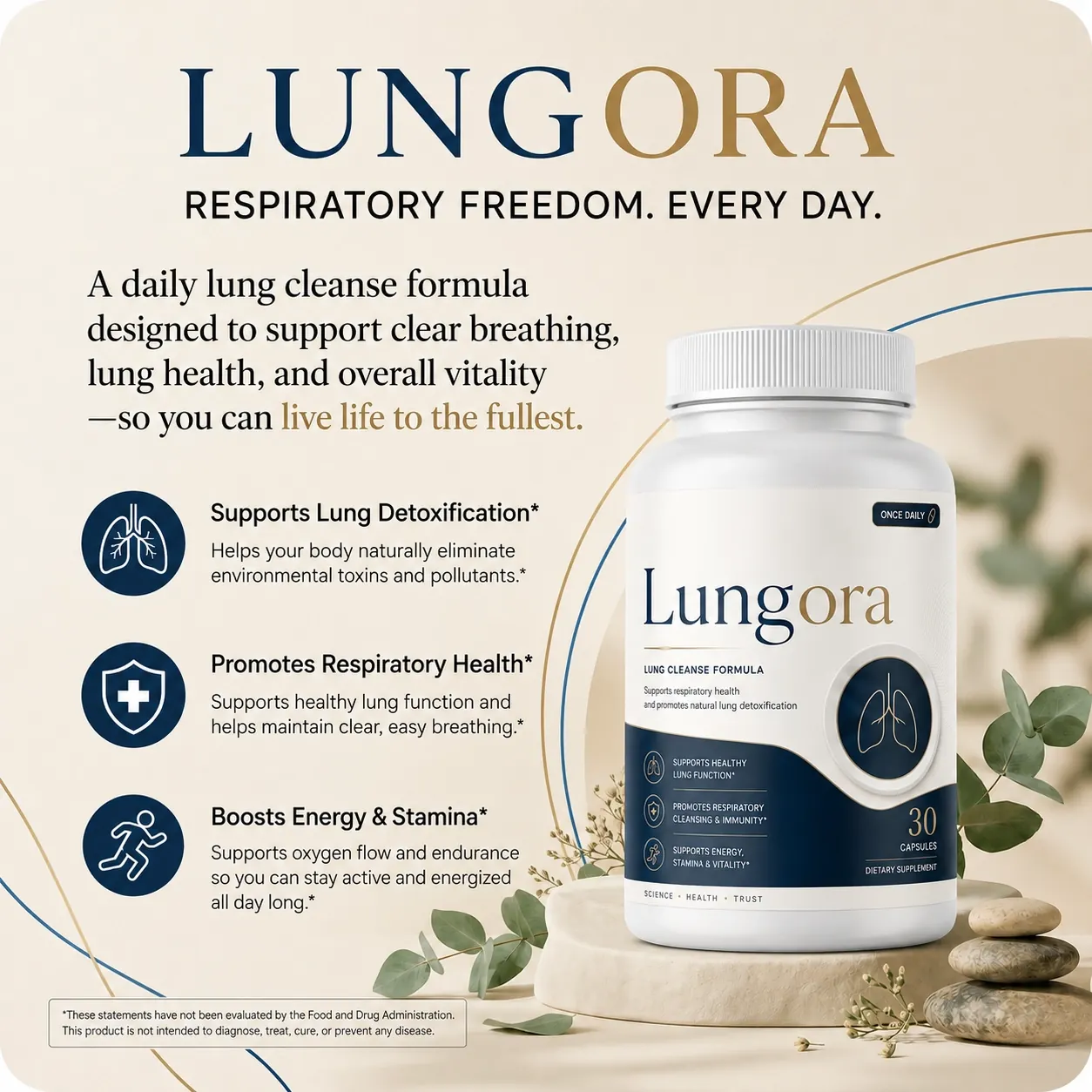
Lungora puts magnesium glycinate, alpha lipoic acid, butcher’s broom, L-carnitine, turmeric extract and CoQ10 in one capsule a day, labelled to support respiratory health, with a 60-day money-back guarantee from purchase.
Dosing context: how much and when
In the research literature, supplemental alpha lipoic acid is most often studied in the range of roughly 100 to 600 mg per day. Because food and certain minerals can slow its absorption, ALA is frequently taken on an empty stomach — a small practical note rather than a rule. In a multi-ingredient daily formula the amount is usually toward the lower end, because ALA is one of several actives working together rather than a stand-alone high-dose product. The human trials that pooled the best-studied oral doses were run in diabetic polyneuropathy, not in respiratory health — see Effects of Oral Alpha-Lipoic Acid Treatment on Diabetic Polyneuropathy (Nutrients, 2023) — so read those milligram figures as dosing context, not as evidence about breathing.
Alpha lipoic acid is generally well tolerated. The most important context is metabolic: because it can influence how the body handles glucose, anyone managing blood sugar or taking medication for it should speak with a healthcare professional before adding it, so any adjustments can be made safely. As with every supplement, more is not automatically better — stay within the amount on the label.
Where your body already gets it
Alpha lipoic acid is not classed as an essential nutrient because your body makes its own, but you also take in trace amounts from food. The richest dietary sources are organ meats such as liver and kidney, red meat, and to a lesser degree spinach, broccoli and tomatoes. The catch is that food quantities are tiny compared with a supplement dose, and the ALA in food is largely bound to proteins, which limits how much is freed for absorption. That gap between dietary trace amounts and studied supplement doses is precisely why ALA is a popular addition to a focused formula.
How alpha lipoic acid fits the bigger picture
No antioxidant works alone, and that is the whole point of ALA — it is a team player that makes the rest of the team last longer. In a respiratory-support routine it sits alongside the mineral, botanical and energy pieces we cover across this blog, and behind all of them are the daily habits that matter most: clean air, movement, breathing practice and an antioxidant-rich plate, laid out in how to support healthy lung function naturally. To see how alpha lipoic acid is combined with the other actives in a single daily capsule, visit the Lungora home page. It works closest to the mitochondria, alongside the fuel shuttle covered in acetyl-L-carnitine vs L-carnitine, and alongside the selenium-dependent enzymes described in selenium benefits for lung health.
Frequently asked questions
What does alpha lipoic acid do in the body?
Alpha lipoic acid is a sulphur-containing compound that acts as an antioxidant and as a cofactor in the mitochondrial reactions that turn food into energy. Because it dissolves in both water and fat, it can work in more parts of the cell than most antioxidants, which is why it is sometimes called a universal antioxidant. This is general information and not a treatment claim.
Why is alpha lipoic acid linked with lung wellness?
The lungs meet a constant stream of oxidants from pollution, smoke residue and ordinary metabolism. Antioxidants such as alpha lipoic acid help the body manage that oxidative load and support its own antioxidant network, including glutathione. It is used for general respiratory and metabolic wellness support, not to treat any disease.
What is the difference between R-ALA and S-ALA?
Alpha lipoic acid exists as two mirror-image forms. R-ALA is the natural form the body makes and recognises, while S-ALA is a by-product of manufacturing. Most inexpensive supplements are a 50/50 racemic mix of both. Some products specify R-ALA or a higher R-fraction, which the label will state.
How much alpha lipoic acid is typical?
Supplement doses in the research literature commonly range from about 100 to 600 mg per day, and it is often taken on an empty stomach for absorption. Amounts in daily multi-ingredient formulas are usually lower because ALA is one of several actives. Follow the label and check with a healthcare professional, particularly if you manage blood sugar.
Does alpha lipoic acid recycle other antioxidants?
Yes. One of the most interesting features of alpha lipoic acid is that, once it has neutralised a free radical, its reduced form can help regenerate other spent antioxidants such as vitamin C, vitamin E and glutathione, effectively extending the reach of the whole network.
Is alpha lipoic acid safe to take daily?
It is generally well tolerated at typical supplement amounts and is commonly included in once-daily formulas. The main caution is for people managing blood sugar or on related medication, who should consult a professional first. Stay within the label amount and treat it as one part of a balanced routine.
About the Lungorae Editorial Desk
The Lungorae Editorial Desk is an independent group of wellness writers and reviewers focused on respiratory nutrition. We translate primary sources — government nutrition bodies, peer-reviewed literature and established reference texts — into plain, practical guidance, and we review each article for accuracy before publication. We do not provide medical advice; our aim is to help you ask better questions and read labels with confidence. Have a correction or a source to suggest? Write to the editor through the contact page.
References
- alpha-Lipoic acid as a biological antioxidant — Packer L, Witt EH, Tritschler HJ, Free Radical Biology and Medicine, 1995.
- Lipoic Acid: its antioxidant and anti-inflammatory role and clinical applications — Current Topics in Medicinal Chemistry, 2015.
- Effects of Oral Alpha-Lipoic Acid Treatment on Diabetic Polyneuropathy: A Meta-Analysis and Systematic Review — Nutrients, 2023. Human dosing evidence, in diabetic neuropathy rather than any lung condition.
Every PubMed identifier above was checked against its NCBI record when this guide was written, so each link opens the paper it is named as. Research on an ingredient is not research on a finished product, and none of these studies tested the Lungora capsule.
† These statements have not been evaluated by the FDA. This product is not intended to diagnose, treat, cure or prevent any disease. This article is for general information only and is not medical advice; new or worsening breathlessness needs a doctor, not a supplement. Affiliate disclosure: this is an independent guide, not the manufacturer or seller, and some links here earn us a commission at no extra cost to you.