Mullein Leaf Benefits for Lungs: A Traditional Respiratory Herb
| What it is | The soft leaf of Verbascum thapsus, a tall wild plant used in traditional Western herbalism for centuries. |
| Why for breathing | Traditionally valued as a soothing expectorant and demulcent — its saponins help loosen mucus while its mucilage coats and calms irritated airways. |
| Common forms | Dried-leaf tea (strain well), tinctures, and capsules. |
| Good to know | Its reputation rests on traditional use, not large clinical trials — read claims in that light. |
Walk along a roadside or an old field in late summer and you may spot mullein without knowing it: a tall spike of yellow flowers rising from a rosette of soft, felt-like leaves. For centuries, those leaves have had a place in the traditional herbal medicine chest, brewed into teas and syrups for coughs and chesty congestion. Today mullein leaf is enjoying a revival in respiratory blends and “lung support” products, and it deserves a clear-eyed explanation — what it is, how it was traditionally used, and what the label should tell you. This guide keeps that framing honest: mullein is a traditional respiratory herb, and everything here is general educational information about that tradition, not medical advice or a promise to treat any condition.
What mullein actually is
Mullein is the common name for Verbascum thapsus (and some close relatives), a biennial plant originally from Europe and Asia that now grows wild across much of North America. In its first year it forms a low rosette of large, velvety leaves; in its second it sends up a dramatic flowering spike that can reach two metres. The parts used are chiefly the leaf and the flower, and for respiratory purposes it is the leaf that features most, while the flowers are more associated with a traditional oil used for the ears. The botany, the traditional record and the modern phytochemical work are pulled together in Health-promoting and disease-mitigating potential of Verbascum thapsus L. (common mullein): A review (Phytother Res, 2022). Searches often spell it mullen or mulein; all refer to the same plant.
What makes the leaf interesting is its particular mix of plant compounds. It is not a concentrated single active like a standardised extract of curcumin; rather, it is a gentle whole-plant herb whose value in tradition came from several components acting together, which is worth keeping in mind when reading modern marketing.
The mechanism: how mullein was traditionally used for the airways
Traditional herbalists placed mullein in two overlapping categories — expectorant and demulcent — and its plant chemistry offers a plausible basis for both. These are descriptions of traditional use and laboratory findings, not claims that the herb treats disease.
1. Saponins and the expectorant action
Mullein leaf contains saponins, natural soap-like compounds. In traditional practice, saponin-containing herbs were classed as expectorants — agents thought to help loosen and mobilise mucus so that a productive cough can clear the chest more easily. This is the same practical aim — thinner, more mobile secretions — that people look for from the very different sulphur chemistry we describe in our guide to NAC benefits for lungs and mucus, though mullein reaches it as a gentle botanical rather than a targeted molecule.
2. Mucilage and the soothing, demulcent effect
The other half of mullein’s traditional reputation is as a demulcent — a herb rich in mucilage, a gel-like soluble fibre that, when brewed, forms a soothing, slightly slippery liquid. Demulcents were used to coat and calm the irritated tissues of the throat and upper airways, which is why mullein tea was a classic home remedy for a raw, tickly cough. The combination of an expectorant action and a soothing coating is unusual in a single herb and is much of the reason it endured.
3. Flavonoids and other supporting compounds
Mullein also supplies flavonoids (such as verbascoside and luteolin), iridoid glycosides and other polyphenols that laboratory studies have examined for antioxidant and other activities. These place mullein within the broader family of plant polyphenols we cover across this site, alongside the flavonoid in our quercetin and respiratory health guide — part of the same antioxidant conversation, at a gentler, whole-herb level. The compound-by-compound activity screening behind these claims is reported in Biological activity of common mullein, a medicinal plant (J Ethnopharmacol, 2002).
What forms does mullein come in?
Mullein is sold in several familiar formats, and the choice affects both convenience and that important straining step:
- Dried-leaf tea — the most traditional form; the leaf is steeped in hot water, then strained carefully (see below).
- Tinctures and liquid extracts — alcohol or glycerine extracts that are convenient and pre-strained, dosed by the dropper.
- Capsules and tablets — powdered leaf or dry extract, easy to dose and taste-free.
- Flower oil — a traditional preparation for the ears, not for the lungs; worth distinguishing so you buy the right thing.
One small but genuinely useful tip about the tea: mullein leaves are covered in fine hairs that can break off into the brew and irritate the throat — the opposite of the soothing effect you want. Straining through a fine cloth, a paper coffee filter or a very fine sieve removes them. Tinctures and capsules sidestep this issue entirely.
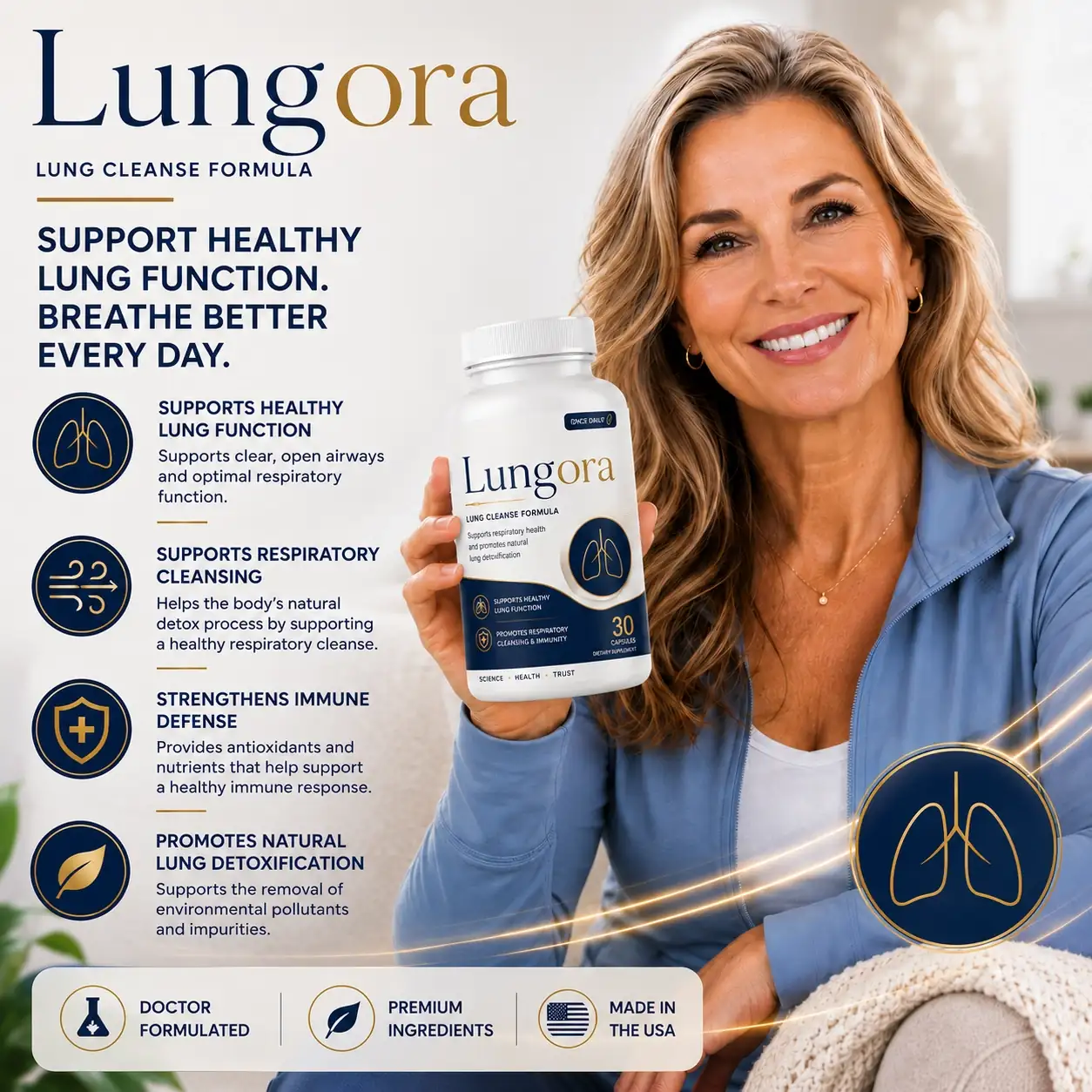
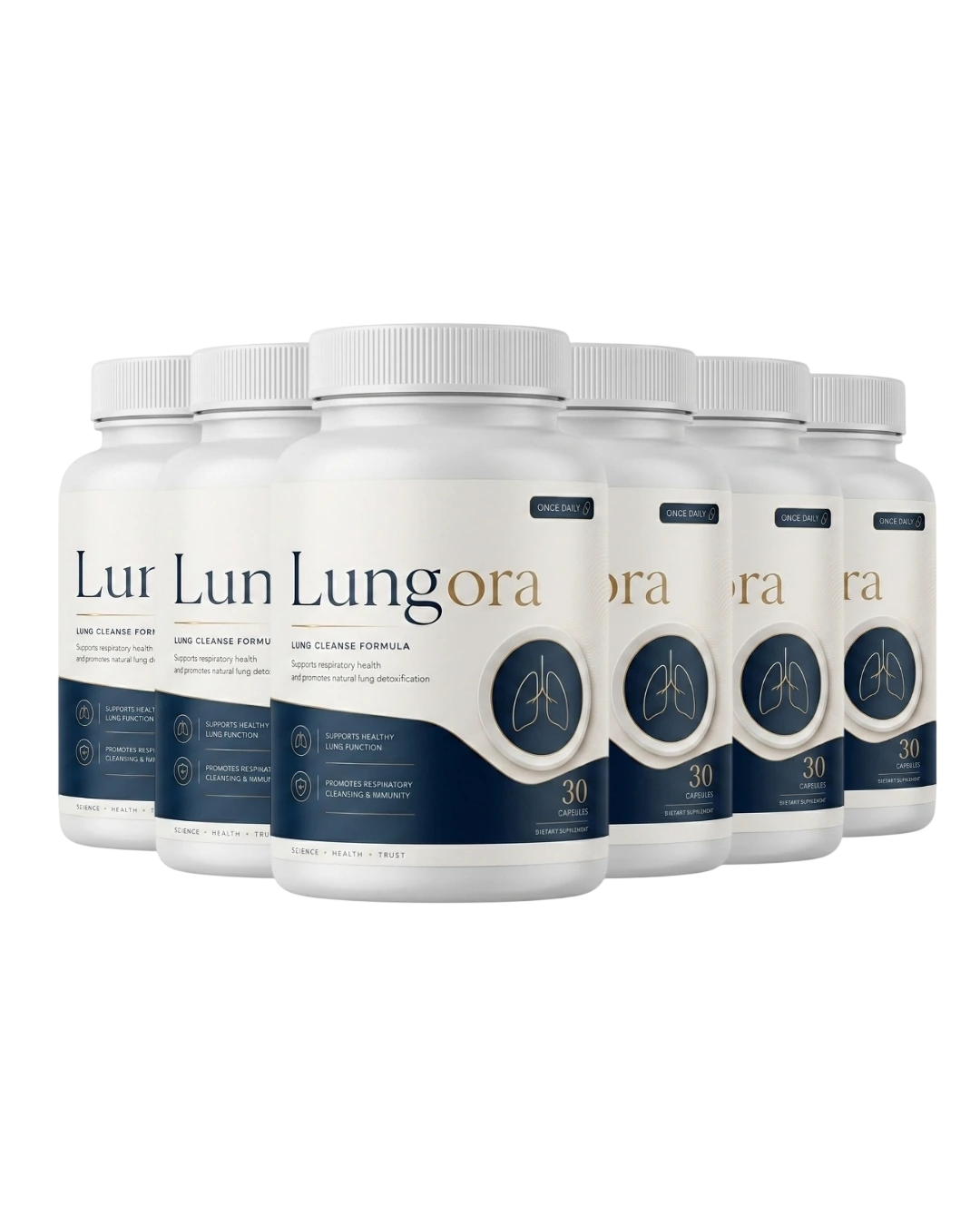
What Is Inside a Lungora Capsule
Lungora puts magnesium glycinate, alpha lipoic acid, butcher’s broom, L-carnitine, turmeric extract and CoQ10 in one capsule a day, labelled to support respiratory health, with a 60-day money-back guarantee from purchase.
An honest word on the evidence
It is important to be straight about this. Mullein’s standing comes overwhelmingly from long traditional use and from laboratory studies of its isolated compounds — not from large, high-quality human trials, of which there are very few. That does not make the tradition worthless; many respected herbs began exactly here. But it does mean mullein is best understood as a traditional herb for respiratory comfort rather than a proven remedy, and any product promising it will cure a lung condition is over-stepping what the evidence supports. Reading claims with that filter is the single most valuable habit when shopping for botanicals. A fair illustration is Anthelmintic and relaxant activities of Verbascum Thapsus Mullein (BMC Complement Altern Med, 2012), which tested relaxant activity in isolated animal tissue — useful signal, but neither is a human trial in people with a cough.
Dosing context and how to use it
Because mullein is a gentle traditional herb rather than a standardised drug, there is no single official dose. In traditional practice a leaf tea was made from roughly one to two teaspoons of dried leaf per cup, taken up to a few times a day; tinctures and capsules follow the manufacturer’s stated amount. As with any new botanical, starting low and paying attention to how you feel is sensible, and consistency over days rather than a single strong dose reflects how these herbs were traditionally used. Warm mullein tea with a little honey is the classic way it was taken for a scratchy throat.
Safety and who should be careful
Mullein leaf is generally regarded as gentle and well tolerated. Even so, a few sensible cautions apply: those who are pregnant or breastfeeding should avoid it unless advised otherwise, as safety data are limited; anyone with a known allergy to plants in the figwort family should steer clear; and, as with every supplement, people on regular medication should run it past a pharmacist or doctor. Skin contact with the raw plant can occasionally cause irritation. Choosing a product that clearly names the leaf, comes from a reputable brand and is tested for purity avoids most problems.
What to look for on a mullein label
- The part used. Confirm it is mullein leaf for respiratory support, not flower oil (which is for the ears).
- Honest language. Favour products that describe traditional use rather than promising to treat lung disease.
- Purity testing. Since mullein is often wild-harvested, third-party testing for contaminants is reassuring.
- Sensible pairings. It often appears in blends with other traditional respiratory herbs and soothing botanicals.
How mullein fits the bigger picture
Mullein is a gentle traditional herb rather than a high-dose isolated active, and that is exactly its character: a soothing, expectorant botanical that has kept its place in respiratory blends through generations of use. It sits comfortably alongside the mucus chemistry of our NAC guide, the flavonoid story in quercetin, and the warming-herb tradition of our turmeric and curcumin explainer. Underpinning all of them are the everyday habits — good food, movement, hydration, clean air and rest — set out in how to support healthy lung function naturally. To see how daily actives are combined into a single capsule, visit the Lungora home page.
Frequently asked questions
What is mullein and how has it traditionally been used for the lungs?
Mullein is a tall wild plant, Verbascum thapsus, whose soft leaves and yellow flowers have been used in traditional Western herbalism for centuries as a soothing expectorant for coughs and chest congestion. This describes traditional use and is general information, not a treatment claim.
How is mullein leaf thought to work?
Mullein contains saponins, thought to have an expectorant action that helps loosen mucus, and mucilage, a soothing gel-like fibre that coats and calms irritated tissues in the throat and airways. This combination is the traditional basis for its use in respiratory herbal blends.
What forms does mullein come in?
The most common forms are dried leaf tea, liquid tinctures and extracts, and capsules. Mullein flower oil is used traditionally for the ears rather than the lungs. When brewing the tea, straining it well removes the fine leaf hairs, which can otherwise irritate the throat.
Why should mullein tea be strained carefully?
Mullein leaves are covered in tiny hairs that can break off into a brew and irritate the throat. Straining the tea through a fine cloth or coffee filter removes these hairs, which is a small but genuinely useful traditional tip.
Is mullein leaf backed by strong clinical research?
Mullein’s reputation rests mainly on long traditional use and laboratory studies of its compounds rather than large human trials. It is best understood as a traditional herb for respiratory comfort, not a proven treatment, and claims should be read in that light.
Who should be cautious with mullein?
Mullein is generally considered gentle, but those who are pregnant or breastfeeding, or who have a known allergy to plants in its family, should be cautious, and anyone on regular medication should check with a healthcare professional. Choose products that specify the leaf and are tested for purity.
Mullein is not an ingredient in Lungora. This guide covers it as background on lung health. Lungora’s label lists magnesium glycinate, alpha lipoic acid, butcher’s broom, L-carnitine, turmeric extract and coenzyme Q10.
About the Lungorae Editorial Desk
The Lungorae Editorial Desk is an independent group of wellness writers and reviewers focused on respiratory nutrition. We translate primary sources — government nutrition bodies, peer-reviewed literature and established reference texts — into plain, practical guidance, and we review each article for accuracy before publication. We do not provide medical advice; our aim is to help you ask better questions and read labels with confidence. Have a correction or a source to suggest? Write to the editor through the contact page.
References
- Health-promoting and disease-mitigating potential of Verbascum thapsus L. (common mullein): A review — Phytotherapy Research, 2022.
- Biological activity of common mullein, a medicinal plant — Journal of Ethnopharmacology, 2002.
- Anthelmintic and relaxant activities of Verbascum Thapsus Mullein — BMC Complementary and Alternative Medicine, 2012. Animal and isolated-tissue work.
- Herbs at a Glance — National Center for Complementary and Integrative Health.
Every PubMed identifier above was checked against its NCBI record when this guide was written, so each link opens the paper it is named as. Research on an ingredient is not research on a finished product, and none of these studies tested the Lungora capsule.
† These statements have not been evaluated by the FDA. This product is not intended to diagnose, treat, cure or prevent any disease. This article is for general information only and is not medical advice; new or worsening breathlessness needs a doctor, not a supplement. Affiliate disclosure: this is an independent guide, not the manufacturer or seller, and some links here earn us a commission at no extra cost to you.