NAC Benefits for Lungs and Mucus: How N-Acetyl Cysteine Works
| What it is | N-acetyl cysteine — a stable, well-absorbed form of the amino acid cysteine. |
| Why for lungs | It supplies the raw material for glutathione, the antioxidant concentrated in the fluid that lines the airways. |
| The mucus angle | Its free sulphur group can loosen the protein bonds that make mucus thick, which is why NAC has been studied around mucus consistency for decades. |
| Label tip | Look for N-acetyl cysteine (or N-acetyl-L-cysteine) with the milligrams stated per serving, ideally with selenium or vitamin C alongside. |
Few respiratory-wellness ingredients have a longer track record than NAC. Short for N-acetyl cysteine, it has been discussed in the context of the airways for the better part of half a century, and it keeps appearing in modern antioxidant and lung-support formulas for one simple reason: it is the most practical way to give the body more of the single amino acid it needs to make glutathione. In this guide we explain the real NAC benefits for the lungs and mucus, walk through the mechanism in plain English, and show you exactly what the label should say. As always, this is general educational information about how the ingredient works — not medical advice or a promise to treat anything.
What NAC actually is
NAC is a modified version of L-cysteine, one of the twenty-odd amino acids that make up the proteins in your body. Chemists take plain cysteine and attach a small acetyl group to it, and that single change matters more than it sounds. Free cysteine is unstable, oxidises quickly and is not especially well absorbed when swallowed. Adding the acetyl group produces a compound that is stable on the shelf, survives the journey through the gut and is efficiently taken up, at which point the body removes the acetyl group and is left with the cysteine it wanted all along.
That is the whole point of NAC: it is a delivery vehicle for cysteine. And cysteine is not just any amino acid. It carries a sulphur-containing thiol group, and it is the rate-limiting ingredient in the manufacture of glutathione — meaning the body can only build as much glutathione as it has cysteine to build it from. Supply more cysteine and you remove the bottleneck.
The mechanism: how NAC benefits the lungs
The lungs are one of the most oxidatively stressed organs you own. Every breath brings oxygen — essential, but reactive — along with whatever the air carries: traffic particulates, smoke residue, pollen and ordinary metabolic by-products. The airways defend themselves with a thin layer of fluid rich in antioxidants, and glutathione is the headline act. NAC supports the lungs in two connected ways. NAC is compared head to head with the other mucolytic-antioxidant agents in a comparative analysis across erdosteine, carbocysteine and N-acetylcysteine (Respir Res, 2019), which is the clearest picture of where it sits among them.
1. Feeding glutathione, the master antioxidant
Glutathione is often called the body’s master antioxidant because it does so much: it neutralises free radicals directly, it recycles other antioxidants, and it helps the liver and lungs process the compounds they need to clear. The epithelial lining fluid of the lower airways is one of the most glutathione-rich fluids in the whole body, which tells you how central it is to respiratory defence. Because cysteine is the limiting step, giving the body NAC is a direct way to support its own glutathione production rather than trying to swallow the finished molecule. This is the same antioxidant-network logic we describe in our guide to alpha lipoic acid benefits for the lungs, where one antioxidant helps regenerate the others.
2. The mucus connection
This is the property that first made NAC famous. Mucus gets its stickiness partly from long chains of proteins called mucins, which are held in their tangled, gel-like shape by chemical cross-links known as disulphide bonds. NAC carries a free thiol (sulphur) group that can interact with those bonds and loosen the network, which in laboratory and clinical study has been associated with thinner, less viscous mucus. That is why NAC has been researched around mucus consistency for decades. For everyday wellness, the takeaway is mechanistic rather than a treatment claim: the same chemistry that makes NAC a glutathione precursor also gives it a genuine, understood interaction with mucus. The most conservative read of the human evidence is the Cochrane review Mucolytic agents versus placebo for chronic bronchitis or chronic obstructive pulmonary disease (2019) — and it studied people with chronic bronchitis or COPD, not healthy adults looking for everyday support.
NAC vs glutathione supplements: which makes sense
A reasonable question is why you would take a precursor at all, rather than simply swallowing glutathione. Two reasons. First, glutathione is a larger, three-amino-acid molecule that has historically been harder to absorb intact, although newer liposomal forms have improved on this. Second, and more interestingly, using a precursor lets the body self-regulate: it builds exactly as much glutathione as its own enzymes decide it needs, using the cysteine you supplied. NAC is stable, inexpensive and well absorbed, which is why it remains the workhorse choice in most antioxidant formulas. If you want to understand where the finished antioxidants are recycled once they have done their job, our alpha lipoic acid explainer covers the recycling side of the same network.
What Is Inside a Lungora Capsule
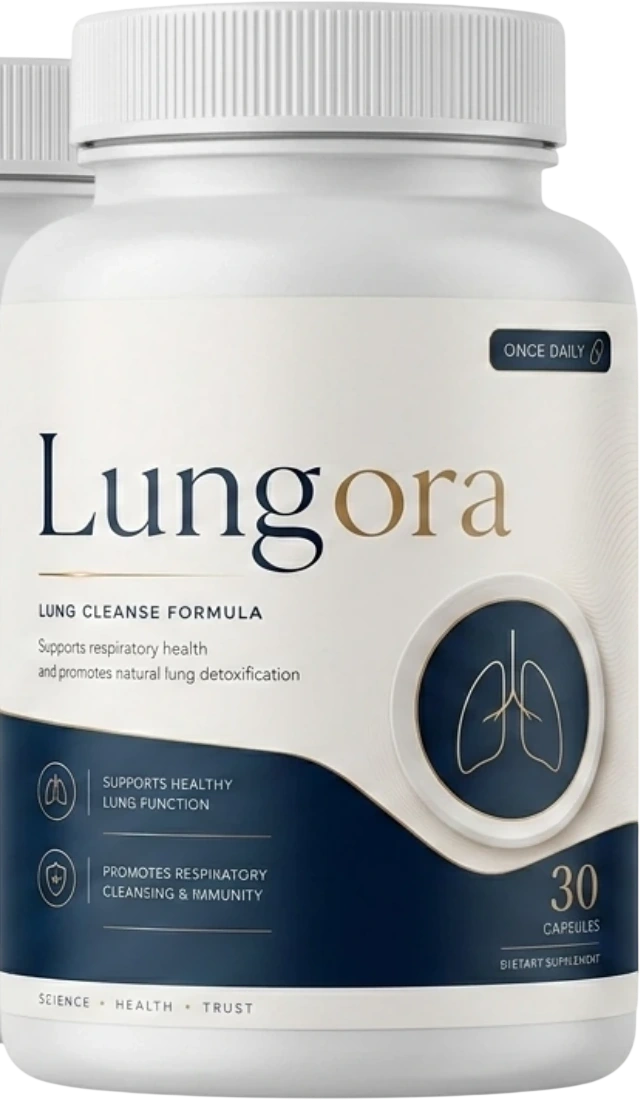
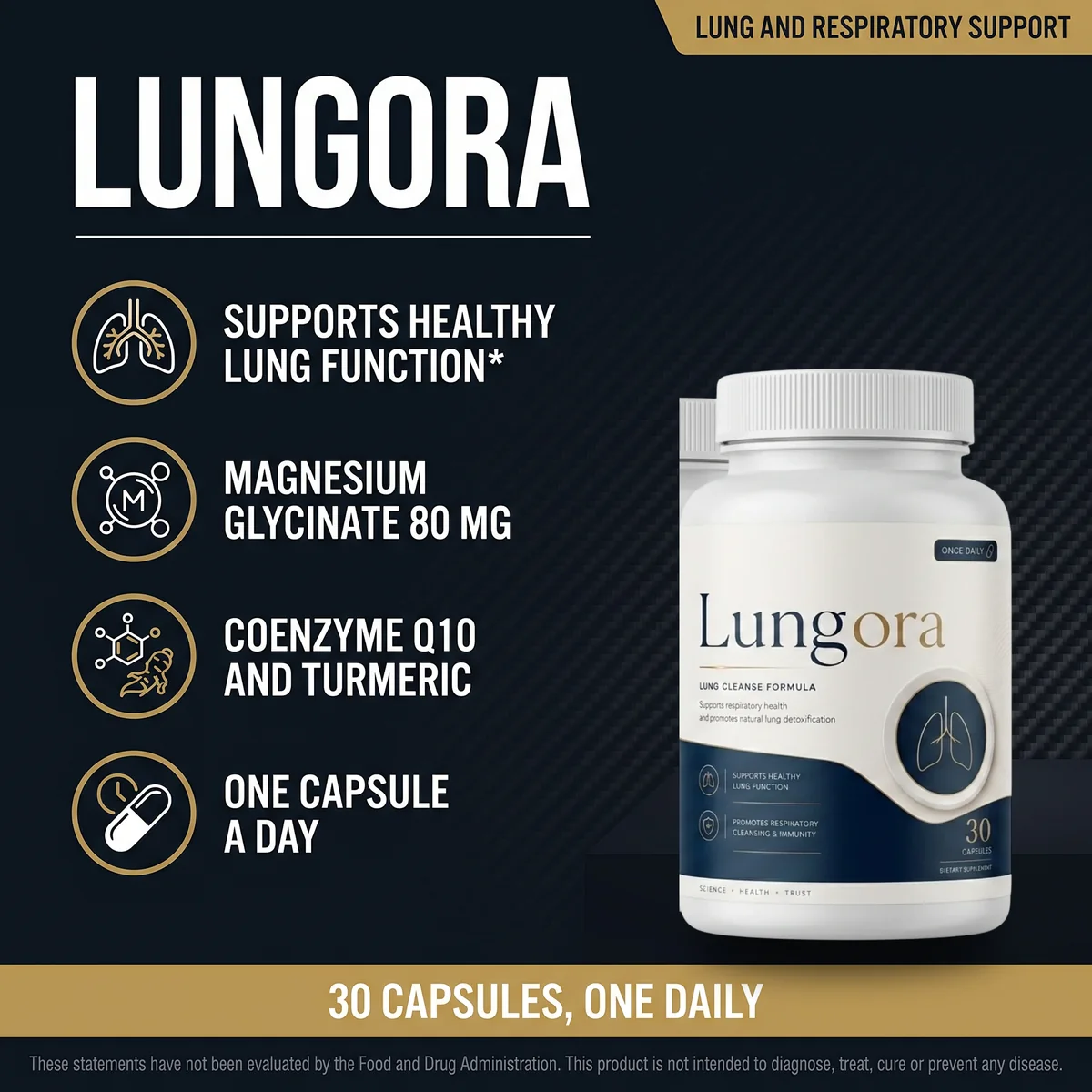
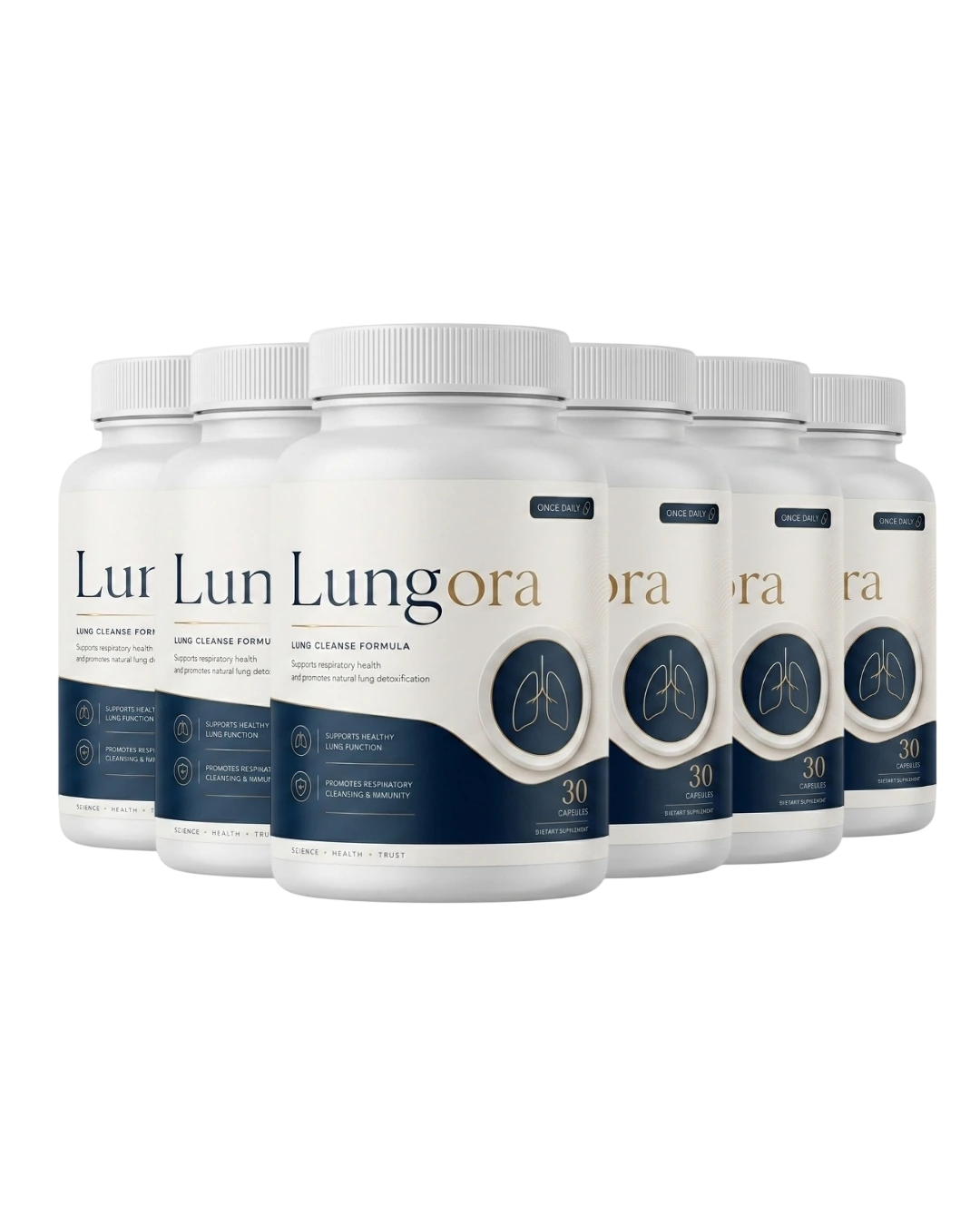
Lungora puts magnesium glycinate, alpha lipoic acid, butcher’s broom, L-carnitine, turmeric extract and CoQ10 in one capsule a day, labelled to support respiratory health, with a 60-day money-back guarantee from purchase.
Dosing context: how much and when
In the research literature, supplemental NAC is most often studied in the range of roughly 600 to 1200 mg per day, sometimes divided into two servings taken with meals to soften any digestive effect. Some antioxidant protocols use more, but higher is not automatically better, and in a multi-ingredient daily formula the NAC amount is typically toward the lower end because it is one of several actives working together rather than a stand-alone high-dose product. The doses that appear in that literature come from patient trials such as this meta-analysis of N-acetylcysteine in COPD (Ther Adv Respir Dis, 2023), so treat them as background, not as a recommendation for anyone else.
NAC is generally well tolerated. The most common note is mild stomach upset at larger doses, which taking it with food usually settles. Because it can have a mild effect on how the blood clots and interacts with nitrate medication, anyone on blood thinners or nitrates — and anyone who is pregnant — should speak with a healthcare professional before adding it. As with every supplement, stay within the amount on the label.
What to look for on a NAC label
Reading a NAC label follows the same principle we apply to every ingredient on this site: name the form, state the amount. Specifically:
- The exact name. The label should say N-acetyl cysteine or N-acetyl-L-cysteine. The L simply confirms the natural, biologically used version of the amino acid.
- Milligrams per serving. A clear number is far more useful than an ingredient buried inside a proprietary blend, where you cannot tell how much you are actually getting.
- Helpful company. Some formulas add selenium and vitamin C, both of which the body uses in the glutathione system — selenium is part of the enzyme that puts glutathione to work, and vitamin C helps keep it in its active form.
- Sensible serving size. A once-daily capsule that combines NAC with complementary actives is a different product from a high-dose single-ingredient tub; match the format to how you actually want to use it.
The same label discipline applies across the whole formula — our companion pieces on reading a magnesium label and choosing a curcumin extract use exactly this approach.
Where your body already gets cysteine
Because NAC is a form of an amino acid, it is worth remembering that food supplies cysteine too. Protein-rich foods — poultry, eggs, yoghurt, legumes, sunflower seeds and whole grains — all contribute cysteine, and a well-fed body makes glutathione perfectly well from an ordinary diet. Supplemental NAC is used when someone wants to give that system extra, targeted support, particularly during periods of higher oxidative load such as living in a polluted city or recovering from the demands of a busy season. It is a complement to good nutrition, never a replacement for it.
How NAC fits the bigger picture
No single antioxidant carries the airways on its own, and NAC is a good example of a team player: it does not so much act as an antioxidant itself as keep the body’s own master antioxidant well supplied. In a respiratory-support routine it sits alongside the minerals, botanicals and energy nutrients we cover across this blog, and behind all of them are the daily habits that matter most — clean air, movement, hydration and breathing practice, which we lay out in how to support healthy lung function naturally. Hydration deserves a special mention here: even the best mucus-thinning chemistry works better when you are properly hydrated. To see how these actives are combined into a single daily capsule, visit the Lungora home page. For a gentler, enzyme-based route to the same mucus question, see bromelain benefits for respiratory health.
Frequently asked questions
What is NAC and what does it do?
NAC is short for N-acetyl cysteine, a stable form of the amino acid cysteine. Its main job in the body is to supply cysteine, the rate-limiting building block the body uses to make glutathione, its master antioxidant. This is general information and not a treatment claim.
Why is NAC linked with mucus and the lungs?
NAC has a free sulphur group that can interact with the protein bonds that make mucus thick and sticky, which is why it has a long history of study around mucus consistency. It also feeds glutathione, which is concentrated in the fluid that lines the airways. It is used for general respiratory wellness support, not to treat any disease.
How much NAC do people usually take?
Supplement doses in the research literature commonly sit in the range of about 600 to 1200 mg per day, sometimes split into two servings. In a multi-ingredient daily formula the amount is usually lower because NAC works alongside other actives. Follow the label and check with a healthcare professional.
What is the difference between NAC and glutathione supplements?
NAC is a precursor, meaning it gives the body the raw material to build its own glutathione as needed. Straight glutathione supplements provide the finished molecule, but it is larger and historically harder to absorb intact. Many formulas favour NAC because it is stable, well absorbed and lets the body self-regulate.
What should I look for on a NAC label?
Check that the label names N-acetyl cysteine or N-acetyl-L-cysteine and states the milligrams per serving rather than hiding it in a proprietary blend. Some formulas pair it with selenium or vitamin C, which the body also uses in the glutathione system.
Is NAC safe to take every day?
NAC is generally well tolerated at typical supplement amounts, with occasional mild digestive upset at higher doses. Anyone on blood-thinning or nitrate medication, or who is pregnant, should speak with a healthcare professional first. Stay within the label amount and treat it as one part of a balanced routine.
NAC (N-acetylcysteine) is not an ingredient in Lungora. This guide covers it as background on lung health. Lungora’s label lists magnesium glycinate, alpha lipoic acid, butcher’s broom, L-carnitine, turmeric extract and coenzyme Q10.
About the Lungorae Editorial Desk
The Lungorae Editorial Desk is an independent group of wellness writers and reviewers focused on respiratory nutrition. We translate primary sources — government nutrition bodies, peer-reviewed literature and established reference texts — into plain, practical guidance, and we review each article for accuracy before publication. We do not provide medical advice; our aim is to help you ask better questions and read labels with confidence. Have a correction or a source to suggest? Write to the editor through the contact page.
References
- Mucolytic agents versus placebo for chronic bronchitis or chronic obstructive pulmonary disease — Cochrane Database of Systematic Reviews, 2019.
- The efficacy of N-acetylcysteine in chronic obstructive pulmonary disease patients: a meta-analysis — Therapeutic Advances in Respiratory Disease, 2023.
- Efficacy and safety profile of mucolytic/antioxidant agents in chronic obstructive pulmonary disease: a comparative analysis across erdosteine, carbocysteine, and N-acetylcysteine — Respiratory Research, 2019.
Every PubMed identifier above was checked against its NCBI record when this guide was written, so each link opens the paper it is named as. Research on an ingredient is not research on a finished product, and none of these studies tested the Lungora capsule.
† These statements have not been evaluated by the FDA. This product is not intended to diagnose, treat, cure or prevent any disease. This article is for general information only and is not medical advice; new or worsening breathlessness needs a doctor, not a supplement. Affiliate disclosure: this is an independent guide, not the manufacturer or seller, and some links here earn us a commission at no extra cost to you.