Selenium Benefits for Lung Health: The Antioxidant Trace Mineral
| What it is | An essential trace mineral your body needs in tiny amounts, built into a family of proteins called selenoproteins. |
| Why for breathing | It powers glutathione peroxidase, a front-line antioxidant enzyme that protects the airway lining from oxidative stress. |
| Best forms | Selenomethionine or selenium-enriched yeast (organic) absorb and store well; selenite and selenate are inorganic options. |
| Label tip | Read the amount in micrograms, keep within 400 mcg/day — the window is narrow. |
Selenium is one of the quietest heroes of the antioxidant world. You need only a trace of it — measured in micrograms, not milligrams — yet it sits at the very heart of one of the body’s most important self-defence systems. In respiratory wellness, selenium earns its place because the airways are constantly exposed to oxygen, pollutants and the by-products of their own metabolism, and selenium powers the enzymes that keep the resulting oxidative stress in check. This guide explains what selenium is, how it protects lung tissue, which forms to look for, and why it is a mineral you must respect rather than megadose. It is general educational information about how the mineral works, not medical advice or a promise to treat any condition.
What selenium actually is
Selenium is an essential trace mineral: essential because the body cannot make it, and trace because the required amount is tiny. Unlike some minerals that act mainly as loose cofactors, selenium is built directly into the structure of at least twenty-five specialised proteins, collectively called selenoproteins, in the form of a unique amino acid, selenocysteine. That structural role is what makes it so powerful in such small quantities — without selenium, these proteins simply cannot be assembled or do their jobs.
The most famous of these selenoproteins are the glutathione peroxidases and the thioredoxin reductases, both central to antioxidant defence. Others help regulate thyroid hormones and immune function. For the airways, it is the antioxidant selenoproteins that matter most, and they are the focus here.
The mechanism: how selenium supports respiratory wellness
Selenium contributes to lung and airway health along a few connected paths, each a recognised structure-and-function role rather than a claim to treat disease. Selenium’s place in the wider diet-and-lung literature, alongside the other antioxidant nutrients, is reviewed in Diet and obstructive lung diseases (Epidemiol Rev, 2001).
1. Powering glutathione peroxidase
The signature role of selenium is as the working core of glutathione peroxidase (GPx), an enzyme that neutralises hydrogen peroxide and other reactive compounds before they can damage cell membranes and DNA. The airway lining is a hotspot for this kind of oxidative stress, so a well-supplied GPx system is part of how the respiratory tract protects itself. This enzyme relies on the body’s glutathione, the master antioxidant we describe in our guide to NAC and glutathione for the lungs — selenium is the mineral that lets that glutathione actually do its clean-up work. The family of selenium-containing enzymes this belongs to is described in Selenoproteins (J Biol Chem, 2009).
2. Teaming up in the antioxidant network
Antioxidants rarely work alone, and selenium is a good example. Glutathione peroxidase handles water-based peroxides, while vitamin E guards the fatty parts of membranes; between them they cover different territory, and each helps spare the other. Selenium also supports the thioredoxin system, which helps recycle other antioxidants. This is the same interconnected network we explore in our explainer on alpha lipoic acid and the antioxidant network — selenium is one of its essential mineral nodes.
3. Supporting normal immune function
Selenoproteins are also involved in the normal function of immune cells, and both a shortfall and an excess of selenium can blunt immune responses. Because the airways lean heavily on a well-regulated immune system, this immune role is part of why selenium appears in respiratory and immune-support formulas, alongside minerals like the one in our zinc for respiratory and immune support guide.
Which form of selenium is best?
Selenium supplements come in organic and inorganic forms, and the difference affects how the body absorbs and stores it:
- Selenomethionine — an organic form in which selenium replaces sulphur in the amino acid methionine. It is well absorbed and can be incorporated into body proteins, building a reserve.
- Selenium-enriched yeast — yeast grown on selenium-rich media, providing a natural blend that is mostly selenomethionine; used in several well-known research studies.
- Sodium selenite and sodium selenate — inorganic forms; selenite is well studied and inexpensive, though generally absorbed somewhat less efficiently than the organic forms.
For most people, an organic form such as selenomethionine or selenium yeast at a modest dose is a sensible default. The more important point, given how narrow selenium’s safe range is, is not the form but the amount — which we come to next.
What Is Inside a Lungora Capsule
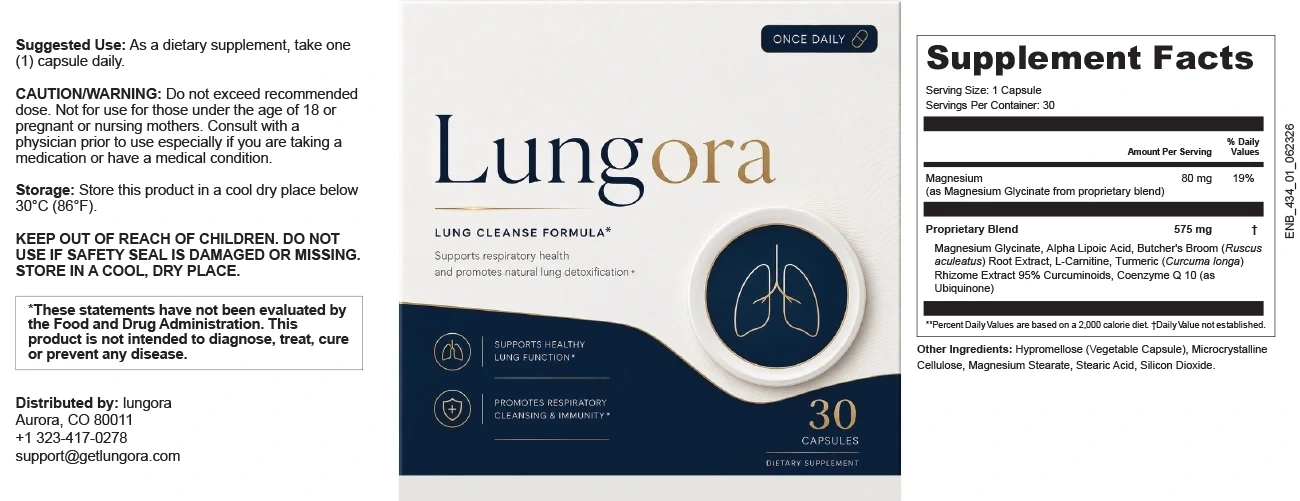
Lungora puts magnesium glycinate, alpha lipoic acid, butcher’s broom, L-carnitine, turmeric extract and CoQ10 in one capsule a day, labelled to support respiratory health, with a 60-day money-back guarantee from purchase.
Dosing context: micrograms and a narrow window
Selenium is the classic example of a nutrient where more is not better. The recommended daily allowance for adults is about 55 micrograms, common supplements supply somewhere between 55 and 200 mcg, and the tolerable upper limit is 400 mcg per day from all sources combined. That is an unusually tight range compared with most vitamins and minerals, and it is the reason selenium is dosed in micrograms and taken seriously. Note the unit carefully — a label that reads 200 mcg is very different from a hypothetical 200 mg, and mistaking one for the other would be a real error.
For most people eating a varied diet, selenium needs are met without a supplement, and a modest top-up within the range above is plenty. The people most likely to fall short are those in regions with selenium-poor soil, since the mineral enters the food chain through plants that draw it from the ground.
Safety: selenosis and why to respect the limit
Because the safe window is narrow, chronic intake above the upper limit can cause selenosis. Its tell-tale signs include a distinctive garlic-like odour on the breath, a metallic taste, brittle or falling hair and nails, skin rashes, digestive upset and fatigue. The practical risk comes from stacking sources without realising it — a multivitamin, a standalone selenium product and a daily handful of Brazil nuts can add up fast. Check what your other supplements already provide, and treat 400 mcg as a firm ceiling unless a healthcare professional advises otherwise. The 400 microgram upper limit for adults, and the signs of exceeding it, are set out in the NIH Office of Dietary Supplements selenium fact sheet
What to look for on a selenium label
- The amount in micrograms. Confirm the unit and the dose; there is no reason for most people to exceed a couple of hundred micrograms.
- A well-absorbed form. Selenomethionine or selenium-enriched yeast are sensible defaults; selenite is a valid budget option.
- Total intake. Add up what your multivitamin and diet already contribute so the combined total stays under 400 mcg.
- Sensible pairings. Selenium often appears alongside vitamin E, vitamin C and other antioxidants that share its defensive work.
Where your body already gets it
Food is the foundation. Brazil nuts are famously the richest source — a single nut can contain anywhere from 50 to 90 mcg or more, depending on where it was grown, which is exactly why they are best measured rather than eaten by the handful. After that come seafood, organ meats, muscle meat, eggs, and, more variably, whole grains and seeds, whose selenium content mirrors the soil they grew in. Because a supplement makes it easy to overshoot, food-first is a particularly good rule for this mineral, with a modest supplement filling any gap. As always, it complements a good diet rather than replacing it.
How selenium fits the bigger picture
Selenium is a foundational mineral rather than a headline botanical, and its value is precisely that it lets the body’s own antioxidant enzymes function — the enzymes that protect oxygen-exposed tissue like the airways. It pairs naturally with the glutathione story in our NAC guide, the recycling network of alpha lipoic acid, and the immune angle of zinc. Behind all of them are the everyday habits — good food, movement, clean air and rest — set out in how to support healthy lung function naturally. To see how daily actives are combined into a single capsule, visit the Lungora home page.
Frequently asked questions
How does selenium support lung and respiratory health?
Selenium is the essential building block of glutathione peroxidase, a front-line antioxidant enzyme that protects tissues, including the airway lining, from oxidative stress. Through that role it supports the body’s normal antioxidant defences. This is general information, not a treatment claim.
What is the best form of selenium to take?
Selenomethionine, an organic form, is well absorbed and can be stored in body proteins. Selenium-enriched yeast provides a mix of natural forms. Inorganic sodium selenite and selenate are also used. For most people an organic form at a modest dose is a sensible default.
How much selenium should I take per day?
The recommended daily allowance for adults is about 55 micrograms, and many supplements provide 55 to 200 micrograms. The tolerable upper limit is 400 micrograms per day from all sources. Selenium has a narrow window, so more is not better.
Can you take too much selenium?
Yes. Chronic intake above the 400 microgram upper limit can cause selenosis, with signs such as a garlic breath odour, hair and nail brittleness, and digestive upset. Because just a few Brazil nuts can supply a full day’s worth, it is easy to overshoot by stacking sources.
Does selenium work with vitamin E and glutathione?
Yes. Selenium-dependent glutathione peroxidase and vitamin E defend against oxidative damage in complementary ways, and selenium helps regenerate the body’s glutathione system. This teamwork is why the antioxidant nutrients are usually discussed together rather than in isolation.
Why are Brazil nuts such a strong source of selenium?
Brazil nut trees concentrate selenium from the soil, so a single nut can contain 50 to 90 micrograms or more, though the amount varies widely with where they were grown. A few nuts can meet or exceed daily needs, so they are best treated as a measured source rather than a snack eaten by the handful.
Selenium is not an ingredient in Lungora. This guide covers it as background on lung health. Lungora’s label lists magnesium glycinate, alpha lipoic acid, butcher’s broom, L-carnitine, turmeric extract and coenzyme Q10.
About the Lungorae Editorial Desk
The Lungorae Editorial Desk is an independent group of wellness writers and reviewers focused on respiratory nutrition. We translate primary sources — government nutrition bodies, peer-reviewed literature and established reference texts — into plain, practical guidance, and we review each article for accuracy before publication. We do not provide medical advice; our aim is to help you ask better questions and read labels with confidence. Have a correction or a source to suggest? Write to the editor through the contact page.
References
- Selenoproteins — Journal of Biological Chemistry, 2009.
- Diet and obstructive lung diseases — Epidemiologic Reviews, 2001.
- Selenium — Health Professional Fact Sheet — NIH Office of Dietary Supplements.
Every PubMed identifier above was checked against its NCBI record when this guide was written, so each link opens the paper it is named as. Research on an ingredient is not research on a finished product, and none of these studies tested the Lungora capsule.
† These statements have not been evaluated by the FDA. This product is not intended to diagnose, treat, cure or prevent any disease. This article is for general information only and is not medical advice; new or worsening breathlessness needs a doctor, not a supplement. Affiliate disclosure: this is an independent guide, not the manufacturer or seller, and some links here earn us a commission at no extra cost to you.