Zinc for Respiratory and Immune Support: Forms, Dosing and Labels
| What it is | An essential trace mineral your body cannot store well — a cofactor for hundreds of enzymes and central to immune cells. |
| Why for breathing | It supports normal immune function and the barriers that line the airways, making it a classic mineral for respiratory and immune wellness. |
| Best forms | Picolinate, citrate, gluconate, acetate and bisglycinate absorb well; oxide is cheaper and absorbed less well. |
| Label tip | Read the elemental zinc amount, keep within 40 mg/day, and look for a little copper to keep the balance. |
When people reach for something at the first hint of a sniffle, zinc is often the mineral they think of — and for good reason. It is one of the few nutrients with a genuinely central, well-established role in the immune system, and it turns up in almost every serious immune and respiratory formula. But zinc also rewards a little knowledge: the form on the label, the elemental amount, and the balance with copper all change what you actually get. In this guide we explain how zinc works for respiratory and immune support, which forms to look for, and how to dose it sensibly. This is general educational information about how the mineral works, not medical advice or a promise to treat anything.
What zinc actually is
Zinc is an essential trace mineral, meaning your body needs it, cannot make it, and cannot store much of it — so a steady daily intake matters. Despite the small quantities involved, its reach is enormous: zinc is a structural or catalytic partner for an estimated three hundred or more enzymes, and it helps stabilise the shape of countless proteins through structures known as zinc fingers. That is why a shortfall shows up in so many systems at once, from skin and taste to wound healing and, most relevantly here, immunity.
Because it sits at the heart of so much basic cellular machinery, zinc is not a niche add-on but a foundational nutrient. The interest for respiratory wellness comes from the fact that immune cells are especially dependent on it, and immune cells are the front line for everything the airways meet.
The mechanism: how zinc supports respiratory and immune wellness
Zinc contributes to airway and immune health along several connected paths. Pooled across randomised trials in adults, the effect of micronutrient supplements including zinc on respiratory infection was modest — see Effect of micronutrient supplements on influenza and other respiratory tract infections among adults (BMJ Glob Health, 2021).
1. Building and running immune cells
Zinc is required for the normal development and function of many immune cells, including the neutrophils and natural killer cells of the innate response and the T-cells of the adaptive response. When zinc is in short supply, these cells do not mature or communicate as well, which is the core reason nutrition bodies list zinc as essential for a normal immune system. This is a recognised structure-and-function role, not a claim that a supplement treats infection. How zinc status shifts immune-cell behaviour is reviewed in Modulating the immune response by oral zinc supplementation: a single approach for multiple diseases (Arch Immunol Ther Exp, 2008).
2. Guarding the barrier
The lining of the respiratory tract is a physical barrier, and zinc supports the integrity of these epithelial tissues. A well-maintained barrier is part of how the airways keep unwanted particles and microbes where they belong, which is why the mineral is discussed alongside respiratory wellness specifically, not just immunity in the abstract.
3. Antioxidant defence
Zinc is also a component of copper-zinc superoxide dismutase (SOD), one of the body’s own front-line antioxidant enzymes. Through this role it helps the tissues manage oxidative stress, connecting it to the wider antioxidant network we explore in our guide to alpha lipoic acid and the antioxidant network. It is a neat example of how minerals and antioxidants overlap.
Which form of zinc is best?
Zinc supplements are always a compound — zinc bound to something else — and that partner affects both absorption and the elemental amount. The common forms are:
- Zinc picolinate — bound to picolinic acid; often cited as one of the better-absorbed forms.
- Zinc citrate — well absorbed and pleasant tasting, a popular all-rounder.
- Zinc gluconate — the classic form in lozenges and many everyday supplements; well studied.
- Zinc acetate — another form common in lozenges.
- Zinc bisglycinate — a chelated (amino-acid-bound) form that tends to be gentle on the stomach, following the same logic as the glycinate we describe in our magnesium glycinate guide.
- Zinc oxide — inexpensive and high in elemental zinc by weight, but absorbed less efficiently than the others.
The practical takeaway is that no single form is dramatically superior for everyone; the well-absorbed chelated and organic-acid forms are a sensible default, and the number that really matters is the elemental zinc, which we come to next.
What Is Inside a Lungora Capsule
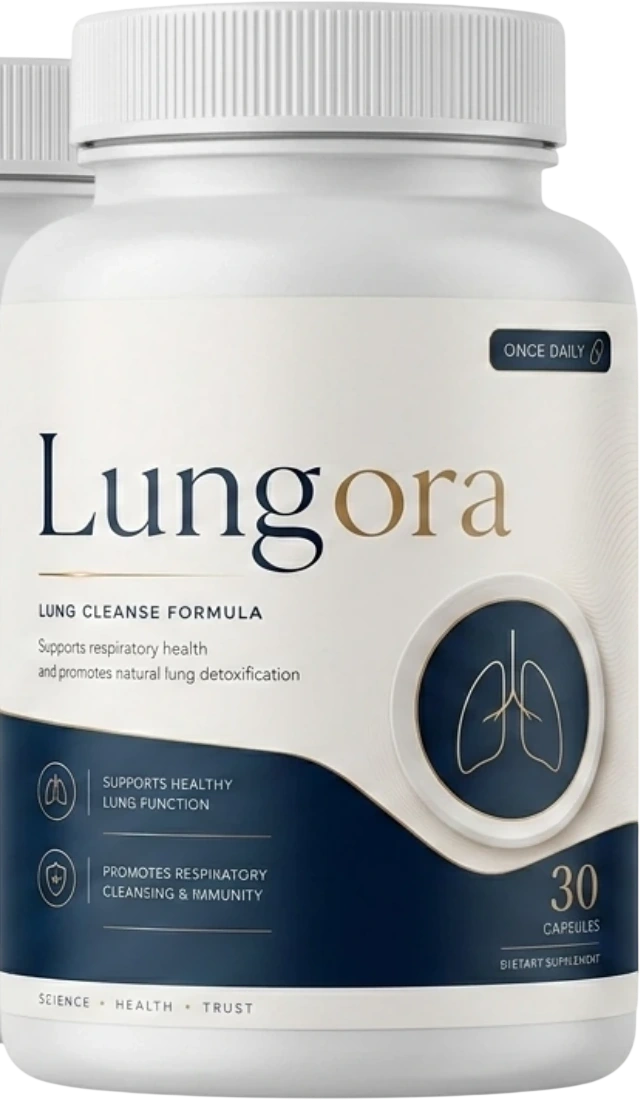
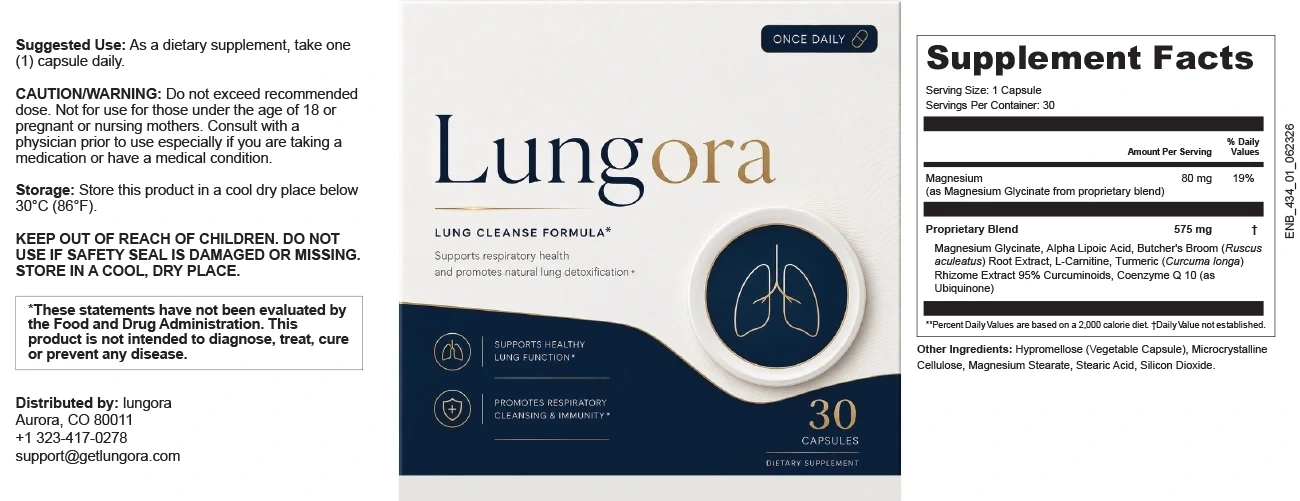
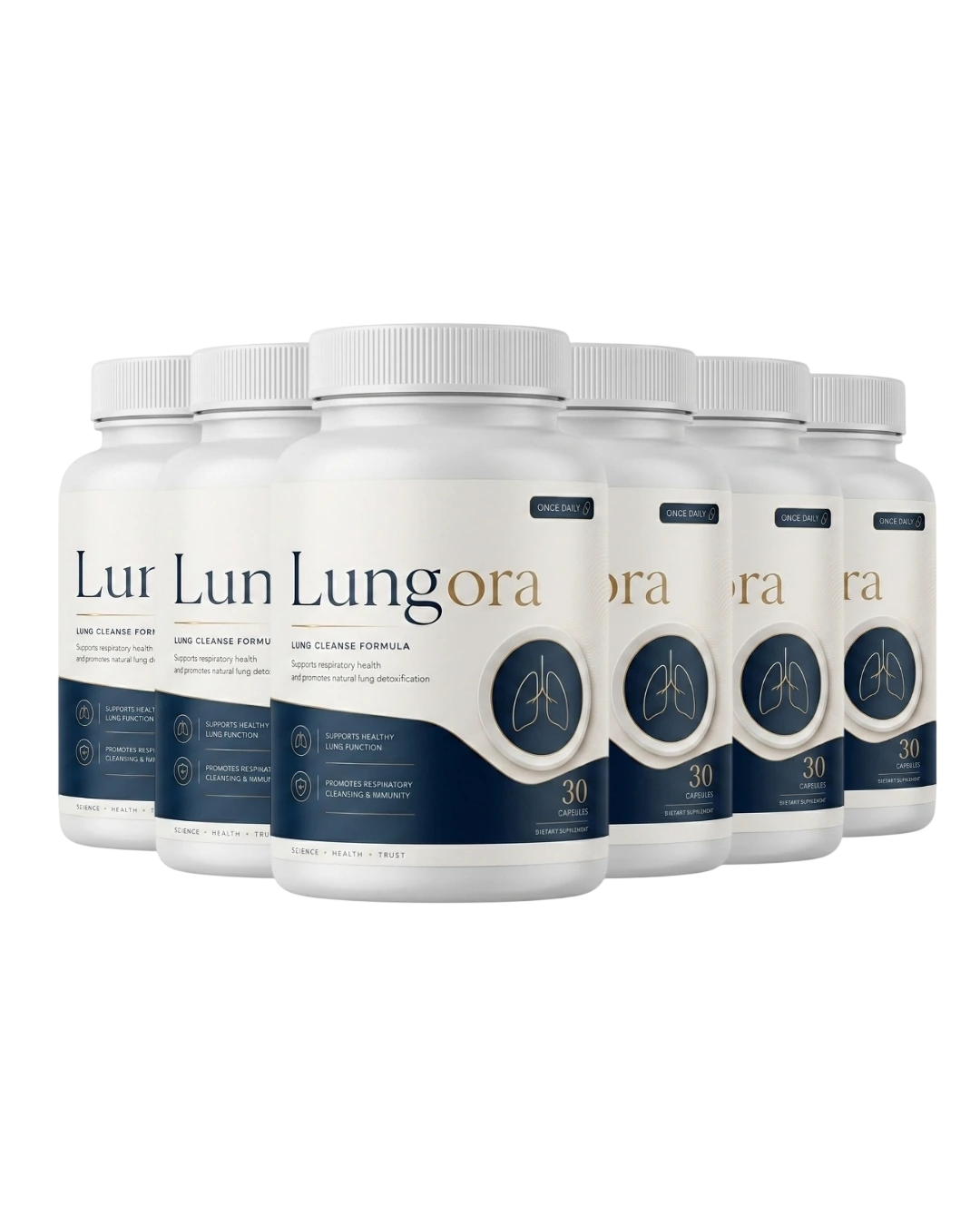
Lungora puts magnesium glycinate, alpha lipoic acid, butcher’s broom, L-carnitine, turmeric extract and CoQ10 in one capsule a day, labelled to support respiratory health, with a 60-day money-back guarantee from purchase.
Dosing context: elemental zinc and the upper limit
The recommended daily allowance is modest — about 8 mg for adult women and 11 mg for adult men — and everyday supplements typically supply somewhere in the range of 15 to 30 mg. The number to respect is the tolerable upper limit of 40 mg per day for adults from all sources combined. This matters because zinc appears in multivitamins, immune blends and standalone products, and it is easy to overshoot without noticing by stacking several.
A crucial subtlety is elemental zinc. A capsule of "zinc gluconate 50 mg" does not provide 50 mg of zinc — it provides the zinc contained in 50 mg of the gluconate compound, which is far less. Reputable labels state the elemental zinc figure clearly, and that is the number to compare across products and to add up against the upper limit.
The copper balance you should know about
Here is the single most important safety point with zinc: it competes with copper for absorption. Taking high-dose zinc for weeks or months can quietly lower the body’s copper, and since copper has its own essential roles — including in that same antioxidant enzyme — a lasting imbalance is counterproductive. This is why many thoughtful formulas either keep zinc within a moderate range or include a small amount of copper alongside it, often around a 10-to-15-to-1 ratio of zinc to copper. If you take zinc regularly at the higher end, the copper question is worth raising with a healthcare professional. The 40 mg adult upper limit, and the copper-depletion problem that sits behind it, are documented in the NIH Office of Dietary Supplements zinc fact sheet
What to look for on a zinc label
- Elemental zinc. Read the actual zinc amount per serving, not the weight of the compound.
- A well-absorbed form. Picolinate, citrate, gluconate, acetate or bisglycinate are all sensible; treat plain oxide as a budget option.
- The copper question. A small amount of copper, or a moderate zinc dose, signals a formula built for daily use rather than a short blast.
- Total intake. Check what your multivitamin already provides so your combined intake stays under 40 mg unless advised otherwise.
Where your body already gets it
Food is the foundation. Oysters are famously the richest source by a wide margin, followed by red meat and poultry, then beans, chickpeas, nuts, seeds (pumpkin seeds especially), whole grains and dairy. One catch for plant-based eaters is that grains and legumes contain phytates, natural compounds that bind zinc and reduce its absorption — techniques such as soaking, sprouting and fermenting help release more of it. Because zinc is not stored well and daily needs are constant, a supplement can be a sensible top-up, particularly for those eating little animal protein. As with every mineral on this site, it complements a good diet rather than replacing it.
How zinc fits the bigger picture
Zinc is a foundational mineral rather than a headline botanical, but that is exactly why it belongs in a respiratory-wellness conversation: the airways lean on a healthy immune system, and the immune system leans on zinc. It pairs naturally with the immune angle of our vitamin D and lung function guide and the glutathione story in our NAC explainer. Behind all of them are the everyday habits — good food, movement, clean air and rest — that we set out in how to support healthy lung function naturally. To see how the daily actives are combined into a single capsule, visit the Lungora home page. The other trace mineral in this antioxidant system is covered in selenium benefits for lung health, and the dietary fats that shape the same immune signalling in omega-3 fish oil for lung health.
Frequently asked questions
How does zinc support the immune and respiratory system?
Zinc is a cofactor for hundreds of enzymes and is essential for the normal development and function of immune cells, as well as for the integrity of the barriers that line the airways. That is why it is a classic mineral for immune and respiratory wellness support. This is general information, not a treatment claim.
What is the best form of zinc to take?
Well-absorbed forms include zinc picolinate, citrate, gluconate, acetate and bisglycinate. Zinc oxide is cheap but absorbed less well. The most important point is the elemental zinc amount, which the label states, rather than the total weight of the compound.
How much zinc should I take per day?
The recommended daily allowance is about 8 mg for women and 11 mg for men, and common supplement amounts range from roughly 15 to 30 mg. The tolerable upper limit for adults is 40 mg per day from all sources, so avoid stacking multiple products.
Why does zinc need to be balanced with copper?
Zinc and copper compete for absorption, so taking high-dose zinc for a long time can lower copper levels. Many balanced formulas include a small amount of copper, or keep the zinc within a moderate range, to protect that balance.
Should zinc be taken with or without food?
Zinc can cause nausea on an empty stomach, so many people take it with a meal. Bear in mind that high-fibre and high-phytate foods, and calcium or iron supplements taken at the same time, can reduce how much zinc you absorb.
Can you take too much zinc?
Yes. Beyond short-term nausea, chronic high intake above the 40 mg upper limit can suppress copper and immune function, the opposite of the goal. Stay within the label amount and treat zinc as one part of a balanced routine unless a professional advises otherwise.
Zinc is not an ingredient in Lungora. This guide covers it as background on lung health. Lungora’s label lists magnesium glycinate, alpha lipoic acid, butcher’s broom, L-carnitine, turmeric extract and coenzyme Q10.
About the Lungorae Editorial Desk
The Lungorae Editorial Desk is an independent group of wellness writers and reviewers focused on respiratory nutrition. We translate primary sources — government nutrition bodies, peer-reviewed literature and established reference texts — into plain, practical guidance, and we review each article for accuracy before publication. We do not provide medical advice; our aim is to help you ask better questions and read labels with confidence. Have a correction or a source to suggest? Write to the editor through the contact page.
References
- Modulating the immune response by oral zinc supplementation: a single approach for multiple diseases — Archivum Immunologiae et Therapiae Experimentalis, 2008.
- Effect of micronutrient supplements on influenza and other respiratory tract infections among adults: a systematic review and meta-analysis — BMJ Global Health, 2021.
- Zinc — Health Professional Fact Sheet — NIH Office of Dietary Supplements.
Every PubMed identifier above was checked against its NCBI record when this guide was written, so each link opens the paper it is named as. Research on an ingredient is not research on a finished product, and none of these studies tested the Lungora capsule.
† These statements have not been evaluated by the FDA. This product is not intended to diagnose, treat, cure or prevent any disease. This article is for general information only and is not medical advice; new or worsening breathlessness needs a doctor, not a supplement. Affiliate disclosure: this is an independent guide, not the manufacturer or seller, and some links here earn us a commission at no extra cost to you.