Ginger Benefits for Respiratory Health: How Gingerols Work
| What it is | The rhizome (underground stem) of Zingiber officinale, a warming culinary and medicinal root. |
| Why for breathing | Its gingerols and shogaols are studied for the body’s normal inflammatory and antioxidant balance, and tradition prizes it as a warming, expectorant herb for the chest. |
| Fresh vs dried | Fresh is higher in gingerols; drying converts them to shogaols, which are hotter and more warming. |
| Label tip | Prefer a standardised extract that states its gingerol content, not just milligrams. |
Ginger tea with honey and lemon is one of the oldest reflexes there is for a cold, chesty day — and it is more than folklore. The warming root has been used in Asian and Ayurvedic medicine for thousands of years, and modern laboratories have since identified the compounds behind its heat and its activity. In respiratory wellness, ginger earns its place as a warming, antioxidant-rich botanical that supports the body’s normal inflammatory balance while feeling soothing to a scratchy chest. This guide explains what ginger is, how its active compounds work, the real difference between fresh and dried, and how to read a ginger label. It is general educational information about how the herb works, not medical advice or a promise to treat any condition.
What ginger actually is
Ginger is the rhizome — a thick underground stem, not strictly a root — of Zingiber officinale, a tropical flowering plant related to turmeric and cardamom. That family connection matters: like its cousin turmeric, ginger owes much of its value to a group of pungent, coloured plant compounds. Its characteristic bite comes chiefly from gingerols, and it is these, together with their relatives, that the science of ginger largely revolves around.
Because it is both a kitchen spice and a studied botanical, ginger straddles two worlds. You can get a meaningful amount simply by cooking with it or brewing it, while concentrated extracts standardise the active compounds for a more consistent dose — a useful thing to understand before comparing a supplement with a cup of tea.
The mechanism: how ginger supports respiratory wellness
Ginger is discussed for the airways along several connected lines, each a recognised structure-and-function role rather than a claim to treat disease. The most directly respiratory piece of work here is Effects of ginger and its constituents on airway smooth muscle relaxation and calcium regulation (Am J Respir Cell Mol Biol, 2013) — isolated airway tissue in a laboratory, which is a long way from a capsule easing anyone’s breathing, and worth holding at that distance.
1. Supporting the body’s normal inflammatory balance
The most studied property of ginger’s gingerols and shogaols is their influence on the enzymes and pathways that govern inflammation — including the COX and LOX pathways that produce prostaglandins and leukotrienes. By gently favouring a calmer signalling tone, ginger is thought to support the body’s normal inflammatory balance, which comfortable airways depend on. This is the same broad territory as the curcumin in our closely related turmeric and curcumin for respiratory support guide — unsurprising, given the two plants are cousins. The antioxidant, anti-inflammatory and immunomodulatory literature is weighed up, critically, in A critical review of Ginger’s (Zingiber officinale) antioxidant, anti-inflammatory, and immunomodulatory activities (Front Nutr, 2024).
2. Antioxidant activity
Ginger’s pungent compounds are also antioxidants, helping the tissues manage the oxidative stress that oxygen-rich, exposure-prone airways naturally generate. This places ginger within the wider antioxidant network we explore in our explainer on alpha lipoic acid and the antioxidant network, where many nutrients and plant compounds spare and support one another.
3. Warming, soothing and expectorant tradition
Beyond the biochemistry, ginger has a long traditional role as a warming and expectorant herb — valued for helping to loosen a chesty feeling and soothe a raw throat, which is much of why hot ginger drinks endure as a comfort during colds. Some laboratory work has even examined ginger compounds and airway smooth muscle, though this remains early science rather than a basis for any medical claim. Taken together, the modern and traditional pictures line up: a warming botanical that feels supportive to the chest.
Fresh vs dried: gingerols and shogaols
Here is a genuinely useful piece of ginger science that also explains the taste. Fresh ginger is highest in gingerols, the compounds behind its bright, zingy pungency. When ginger is dried or heated, gingerols undergo a chemical change into shogaols — which are more pungent still and are associated with a hotter, more warming character. Cooking can also convert gingerols into gentler compounds called zingerone. The chemistry of that conversion, and what it does to the compounds you end up swallowing, is set out in Gingerols and shogaols: Important nutraceutical principles from ginger (Phytochemistry, 2015).
The practical takeaway is that fresh and dried ginger are not simply weaker and stronger versions of the same thing — their compound profiles differ, which is why dried ginger tastes noticeably hotter and is traditionally regarded as more warming. Neither is “better” in the abstract; they are suited to different uses, and a standardised extract lets a supplement pin the potency to a stated figure regardless.
What Is Inside a Lungora Capsule
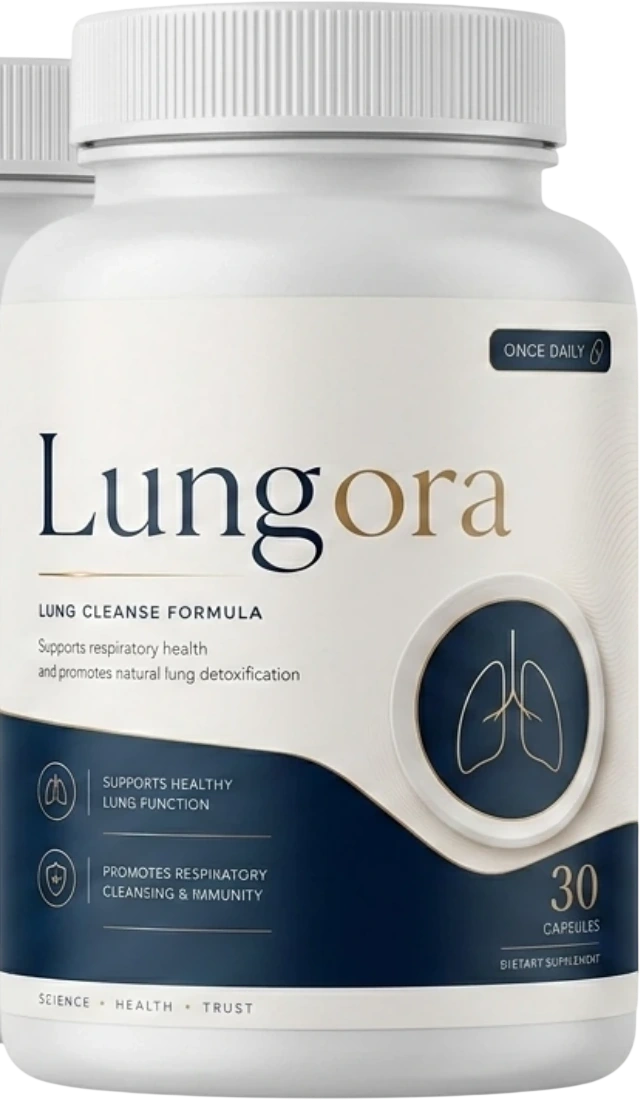
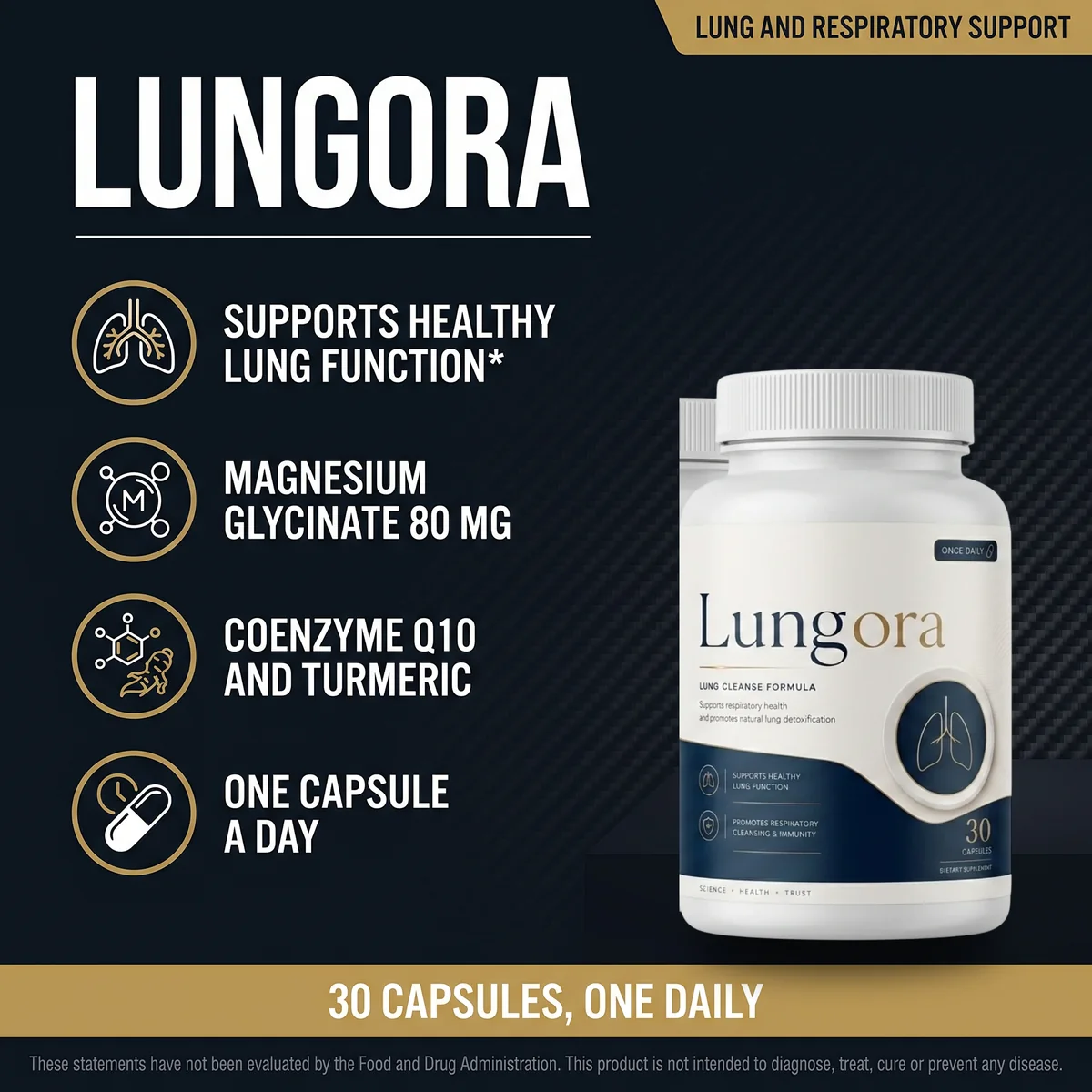
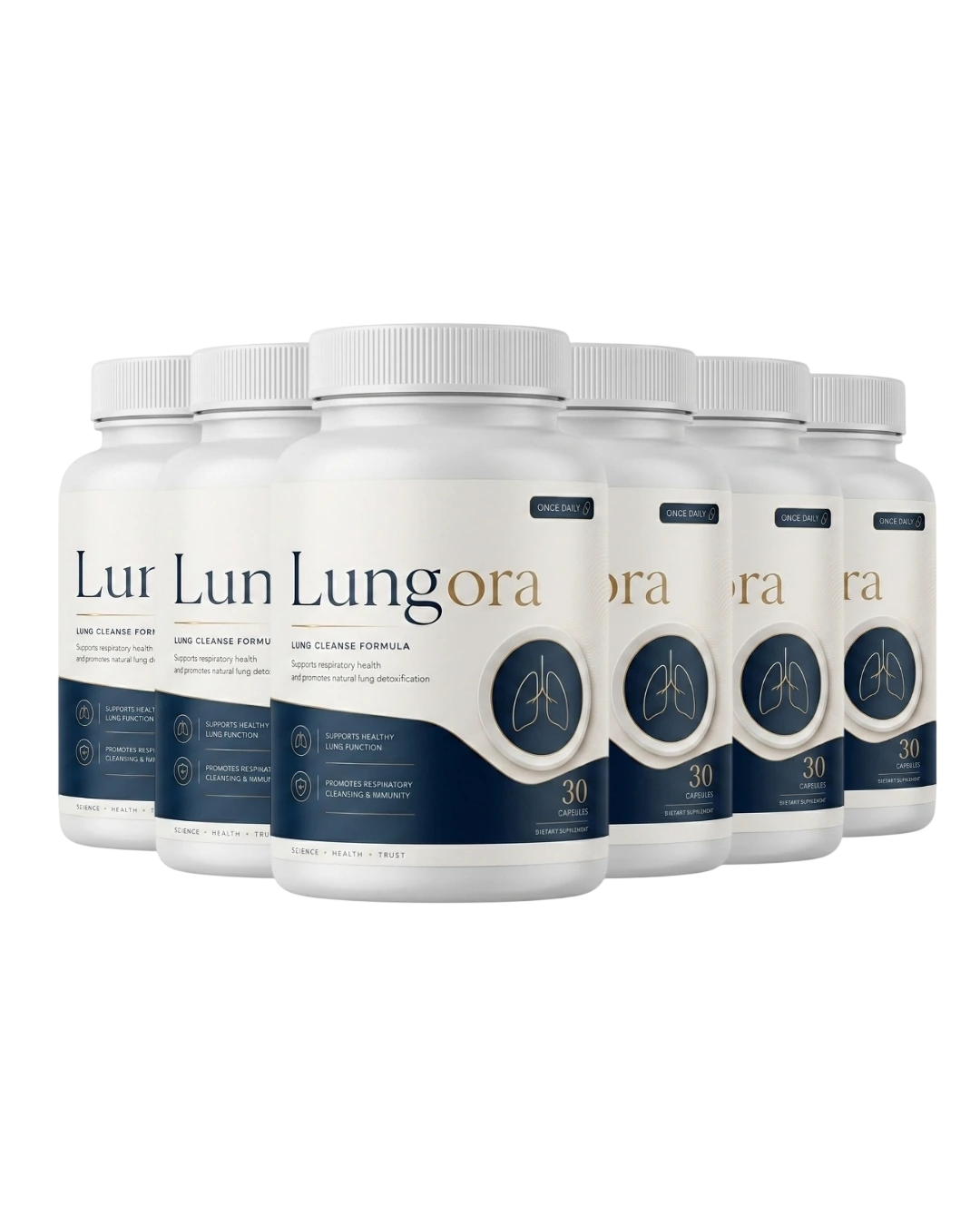
Lungora puts magnesium glycinate, alpha lipoic acid, butcher’s broom, L-carnitine, turmeric extract and CoQ10 in one capsule a day, labelled to support respiratory health, with a 60-day money-back guarantee from purchase.
Dosing context: how much and when
Culinary ginger — a slice in a stir-fry, a knob grated into tea — supplies a modest, agreeable amount and is a perfectly good everyday route. Studies of ginger supplements more often use roughly 1 to 2 grams of dried ginger, or an equivalent standardised extract, per day, usually split and taken with food. Taking it with meals helps reduce the mild stomach warmth or heartburn some people notice on an empty stomach. As with every active on this site, starting at the lower end and giving it time is the sensible approach, and the product’s stated amount should be your guide rather than a maximal dose.
Safety and interactions
Ginger has an excellent safety record as a food and is well tolerated as a supplement by most healthy adults. A few points are worth knowing at higher supplemental doses: ginger can have a mild blood-thinning effect, so it may add to the action of anticoagulant or antiplatelet medicines and is often paused before surgery; it can slightly influence blood sugar, which is relevant for those on diabetes medication; and large amounts may cause heartburn or digestive upset. Culinary quantities in food are not a concern for most people. If you take regular medication, a quick word with a pharmacist covers the interactions above.
What to look for on a ginger label
- Standardisation. A quality extract states its gingerol or total pungent-compound content, so you know the potency rather than guessing from milligrams.
- The part used. It should be the rhizome; that is where the active compounds live.
- Fresh or dried material. This affects the gingerol-to-shogaol balance and the warming character.
- Sensible pairings. Ginger often appears alongside turmeric and other antioxidant botanicals that share its inflammatory-balance role.
Where your body already gets it
Ginger is one of the easiest actives to enjoy from food. Fresh rhizome grated into stir-fries, soups, dressings and tea; dried powder in baking and spice blends; and crystallised or pickled ginger all deliver the compounds, with the fresh-versus-dried difference described above shaping the flavour and warmth. A hot ginger infusion with honey remains the classic comforting way to take it during a cold. A standardised supplement simply offers a consistent, concentrated dose for those who want one, and, as always, it complements a good diet and sensible habits rather than replacing them.
How ginger fits the bigger picture
Ginger is a warming, antioxidant-rich botanical rather than a foundational mineral, and its charm is that it works on the same inflammatory-balance and antioxidant themes as several actives on this site while also feeling soothing to the chest. It pairs naturally with its cousin in our turmeric and curcumin guide, the antioxidant network of alpha lipoic acid, and the flavonoid story in quercetin. Underpinning all of them are the everyday habits — good food, movement, hydration, clean air and rest — set out in how to support healthy lung function naturally. To see how daily actives are combined into a single capsule, visit the Lungora home page. Enzymes approach the same mucus problem from a different angle in our bromelain guide, while the softest traditional route of all is the demulcent herb in mullein leaf benefits for lungs.
Frequently asked questions
How does ginger support respiratory health?
Ginger’s active compounds, chiefly gingerols and shogaols, are studied for supporting the body’s normal inflammatory and antioxidant balance, and traditional use pairs it with warming, expectorant effects for the chest. This is general information, not a treatment claim.
What is the difference between gingerols and shogaols?
Gingerols are the main pungent compounds in fresh ginger. When ginger is dried or heated, gingerols convert into shogaols, which are more pungent and are associated with a warmer effect. That is why dried ginger tastes hotter and is described as more warming than fresh.
Is fresh or dried ginger better?
Neither is simply better; they differ. Fresh ginger is higher in gingerols, while dried ginger is richer in shogaols and tastes warmer. Standardised extracts concentrate these compounds to a stated percentage. For everyday use, all three are valid, and the best choice depends on taste and the label.
How much ginger should I take per day?
Culinary amounts are modest, while supplement studies often use roughly 1 to 2 grams of dried ginger or an equivalent standardised extract per day, usually with food. Start low, take it with meals to reduce any stomach warmth, and follow the product’s stated amount.
Does ginger interact with any medications?
At higher supplemental doses ginger may add to the effect of blood-thinning medicines and can slightly affect blood sugar, so people on anticoagulants or diabetes medication, or approaching surgery, should check with a healthcare professional. Culinary amounts in food are not a concern for most people.
What should I look for on a ginger label?
Look for a standardised extract that states its gingerol or total pungent-compound content, the part used (the rhizome), and whether it is fresh or dried material. A stated standardisation tells you the potency, rather than leaving you to guess from the milligrams alone.
Ginger is not an ingredient in Lungora. This guide covers it as background on lung health. Lungora’s label lists magnesium glycinate, alpha lipoic acid, butcher’s broom, L-carnitine, turmeric extract and coenzyme Q10.
About the Lungorae Editorial Desk
The Lungorae Editorial Desk is an independent group of wellness writers and reviewers focused on respiratory nutrition. We translate primary sources — government nutrition bodies, peer-reviewed literature and established reference texts — into plain, practical guidance, and we review each article for accuracy before publication. We do not provide medical advice; our aim is to help you ask better questions and read labels with confidence. Have a correction or a source to suggest? Write to the editor through the contact page.
References
- Effects of ginger and its constituents on airway smooth muscle relaxation and calcium regulation — American Journal of Respiratory Cell and Molecular Biology, 2013. Laboratory tissue work, not a human trial.
- A critical review of Ginger’s (Zingiber officinale) antioxidant, anti-inflammatory, and immunomodulatory activities — Frontiers in Nutrition, 2024.
- Gingerols and shogaols: Important nutraceutical principles from ginger — Phytochemistry, 2015.
Every PubMed identifier above was checked against its NCBI record when this guide was written, so each link opens the paper it is named as. Research on an ingredient is not research on a finished product, and none of these studies tested the Lungora capsule.
† These statements have not been evaluated by the FDA. This product is not intended to diagnose, treat, cure or prevent any disease. This article is for general information only and is not medical advice; new or worsening breathlessness needs a doctor, not a supplement. Affiliate disclosure: this is an independent guide, not the manufacturer or seller, and some links here earn us a commission at no extra cost to you.