Vitamin D and Lung Function: How the Sunshine Vitamin Works
| What it is | A fat-soluble vitamin that behaves like a hormone — your skin makes it from sunlight, and it is scarce in most diets. |
| Why for lungs | Receptors for vitamin D sit on immune cells and in the airway lining, where it helps support normal immune function. |
| Best form | D3 (cholecalciferol) raises and holds blood levels more effectively than plant-derived D2. |
| Label tip | Look for D3, note both IU and mcg, and value cofactors such as magnesium and vitamin K2. |

Of all the nutrients tied to breathing, vitamin D may be the most quietly important — and the most widely under-supplied. It is the one vitamin our bodies are built to make from sunshine, yet modern indoor life, higher latitudes and sensible sun protection mean a large share of people run low, especially through winter. In this guide we explain the real link between vitamin D and lung function, walk through how the sunshine vitamin actually works at the level of your cells, and show you what a good label should say. This is general educational information about how the nutrient works, not medical advice or a promise to treat anything.
What vitamin D actually is
Despite the name, vitamin D is not really a typical vitamin at all. Once it enters the body it is converted, first in the liver and then in the kidneys, into an active form that behaves like a hormone — a signalling molecule that travels the bloodstream and switches genes on and off in cells all over the body. The reason it can do so much is that an enormous number of tissues carry the vitamin D receptor (VDR), the docking site the active form uses to deliver its instructions. Those receptors are not confined to bone; they appear on immune cells and in the epithelial tissue that lines the airways, which is precisely why researchers became interested in vitamin D and the respiratory system in the first place.
Your body has two ways of getting it. The first is sunlight: ultraviolet B rays strike the skin and start the conversion of a cholesterol-based compound into vitamin D3. The second is intake — a short list of foods and, for many people, a supplement. Because the sunlight route is so dependent on season, latitude, skin tone, age and time spent outdoors, intake matters more for most people than they assume.
The mechanism: how vitamin D supports lung function
The connection between vitamin D and the airways runs mainly through the immune system, and it works in a few overlapping ways. The most careful pooled read of the randomised trials is Vitamin D supplementation to prevent acute respiratory infections: a systematic review and meta-analysis of aggregate data from randomised controlled trials (Lancet Diabetes Endocrinol, 2021), which found a small overall effect on respiratory infections and none at all in some subgroups.
1. Modulating immune cells
Immune cells such as macrophages and T-cells carry the vitamin D receptor, and when the active vitamin binds to it, it helps keep the immune response measured — supportive when needed and restrained when not. This immune-modulating role is the heart of the respiratory story: the airways depend on a well-regulated immune presence to meet everything the air brings in without over-reacting.
2. Supporting antimicrobial defences
One of the more striking findings is that vitamin D helps the body produce its own natural antimicrobial peptides, such as cathelicidin, which are part of the innate defences lining the respiratory tract. This is a general, mechanistic observation about how the nutrient supports the body’s built-in defences — not a claim that a supplement treats or prevents any infection. The individual-participant analysis behind most of the discussion is Vitamin D supplementation to prevent acute respiratory tract infections (BMJ, 2017), where the benefit concentrated in people who were deficient to begin with.
3. Maintaining the airway barrier
The epithelial cells that line the airways form a physical barrier, and their integrity is part of healthy lung function. Vitamin D receptors in this tissue are involved in keeping that barrier working as it should, another reason the nutrient turns up in discussions of respiratory wellness.

Vitamin D2 vs D3: which form to choose
Supplements come in two forms, and the difference is worth knowing. Vitamin D2 (ergocalciferol) is made by plants and fungi — sun-exposed mushrooms are the classic source — and is the form often used in fortified foods and some prescriptions. Vitamin D3 (cholecalciferol) is the form your own skin produces and the form found in animal foods such as oily fish and egg yolks. When the two are compared head to head, research generally finds that D3 is more effective at raising blood levels of vitamin D and holding them steady over time. For that reason most quality supplements use D3, and it is the form we would point to on a label. This is the same name-the-form discipline we apply to choosing a CoQ10 form and to reading a magnesium label.
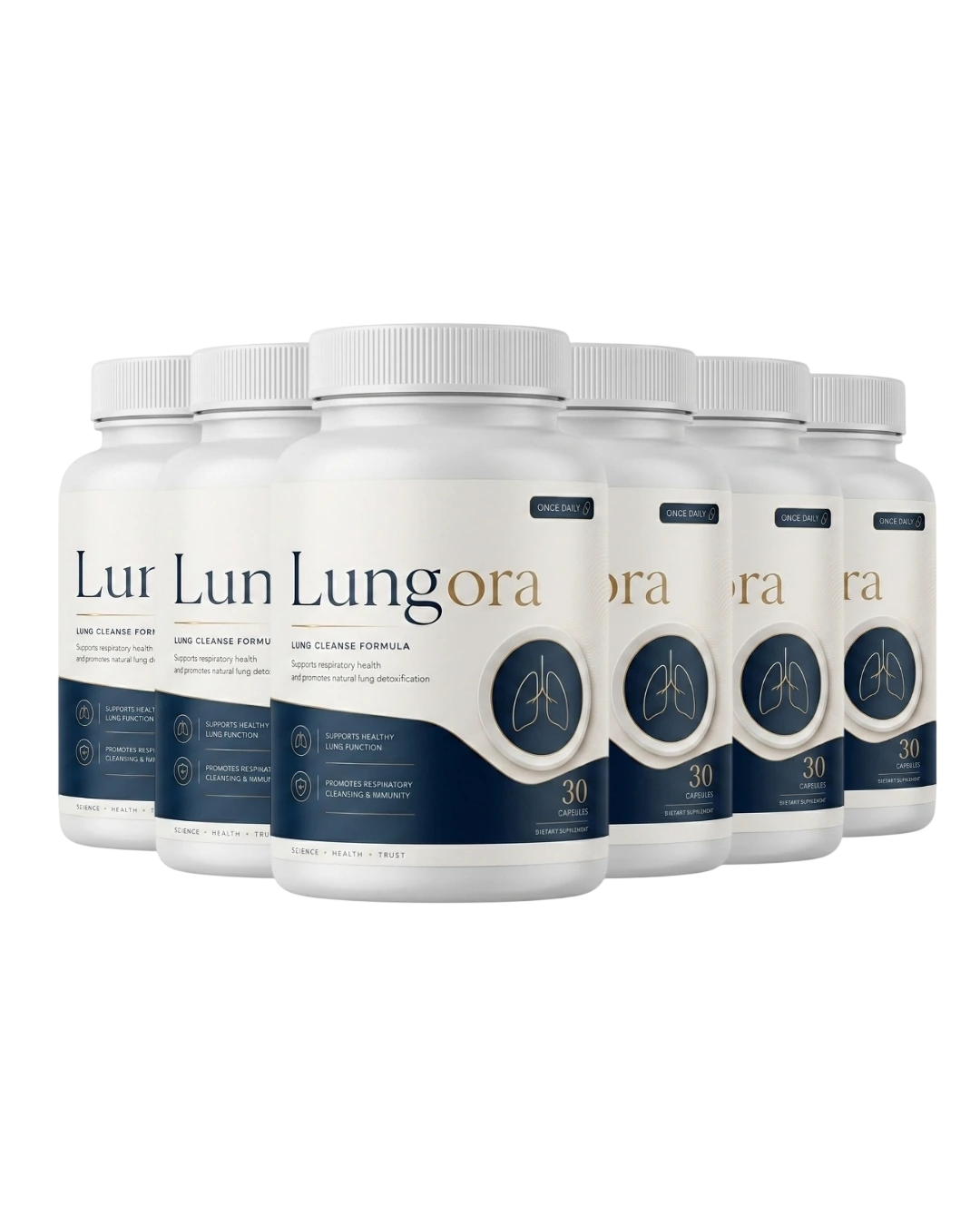
What Is Inside a Lungora Capsule
Lungora puts magnesium glycinate, alpha lipoic acid, butcher’s broom, L-carnitine, turmeric extract and CoQ10 in one capsule a day, labelled to support respiratory health, with a 60-day money-back guarantee from purchase.
Dosing context and blood levels
For most adults the recommended daily allowance is 600 to 800 IU (15 to 20 mcg), a figure aimed at bone health across the general population. In practice, many people take more — supplement amounts of roughly 1000 to 4000 IU per day are common — because ordinary diets and limited sun exposure often leave them short. The tolerable upper limit for adults set by nutrition authorities is 4000 IU per day; higher amounts should only be taken under professional guidance. Reference intakes, the 4,000 IU adult upper limit and the blood levels those figures refer to are all in the NIH Office of Dietary Supplements vitamin D fact sheet
The honest truth about vitamin D is that individual needs vary enormously with sunlight, skin tone, body weight, age and season, which is why the only way to really know your status is a simple blood test measuring 25-hydroxyvitamin D. If you are uncertain, that test — and a conversation with a healthcare professional — is far more useful than guessing at a dose.
Cofactors: vitamin D does not work alone
A point often missed is that vitamin D depends on partners. Magnesium is required by the enzymes that convert vitamin D into its active form, so a magnesium shortfall can blunt the benefit of a vitamin D supplement — a neat link to our guide on magnesium glycinate for lung health. Many people also pair vitamin D3 with vitamin K2, which helps guide the calcium that vitamin D helps absorb toward the bones and away from soft tissue. And because vitamin D is fat-soluble, it is best taken with a meal containing some fat. A well-designed formula keeps these relationships in view rather than treating vitamin D as a lone actor.
What to look for on a vitamin D label
- The form. Prefer vitamin D3 (cholecalciferol) over D2 for more reliable blood levels.
- Both units. Modern labels show both IU and micrograms (mcg) — 1000 IU equals 25 mcg — so read the number in whichever unit you are used to.
- Cofactors. The presence of magnesium or vitamin K2 is a sign the formula understands how vitamin D is activated and used.
- A sensible amount. A daily amount within the everyday range is more appropriate for routine wellness than an occasional mega-dose, unless a professional has advised otherwise.
Where your body already gets it
Sunlight is the original source, but it is unreliable for much of the year in many places. On the food side, the richest sources are oily fish such as salmon, mackerel and sardines, followed by egg yolks, some mushrooms (for D2) and fortified foods like milk and breakfast cereals. Even so, it is genuinely difficult to reach optimal levels from diet alone, which is why vitamin D is one of the few nutrients that mainstream nutrition bodies commonly suggest supplementing, particularly through the darker months. As always, a supplement complements sunlight and a good diet rather than replacing them.
How vitamin D fits the bigger picture
Vitamin D is a reminder that respiratory wellness is not only about the lungs themselves but about the immune system that guards them. In a broader routine it sits alongside the minerals, antioxidants and botanicals we cover across this blog, and it pairs especially naturally with the mineral in our magnesium guide and the trace-mineral immune angle in our companion piece on zinc for respiratory and immune support. Behind all of them are the everyday habits — time outdoors, movement, clean air and good food — that we set out in how to support healthy lung function naturally. To see how the daily actives are combined into a single capsule, visit the Lungora home page. Being fat-soluble, it travels in the same company as the marine fats in omega-3 fish oil for lung health, and it depends on the trace mineral covered in selenium benefits for lung health for parts of the antioxidant network.
Frequently asked questions
How is vitamin D linked to lung function?
Vitamin D acts more like a hormone than a simple vitamin, and receptors for it appear on immune cells and in the tissue that lines the airways. Through those receptors it helps support normal immune function and the airway barrier. This is general information for wellness support, not a treatment claim.
What is the difference between vitamin D2 and D3?
D2 (ergocalciferol) comes from plant and fungal sources, while D3 (cholecalciferol) is the form your skin makes from sunlight and the form in most animal foods. Research generally finds D3 is more effective at raising and maintaining blood levels, which is why most supplements use it.
How much vitamin D should I take?
The recommended daily allowance for most adults is 600 to 800 IU (15 to 20 mcg), while common supplement amounts range from about 1000 to 4000 IU. The tolerable upper limit for adults is 4000 IU per day unless a professional advises otherwise. A blood test is the only way to know your own level.
Should I take vitamin D with anything else?
Because it is fat-soluble, vitamin D absorbs best with a meal that contains some fat. Magnesium is needed to activate vitamin D in the body, and many people pair D3 with vitamin K2, which helps direct calcium appropriately. A balanced formula keeps these cofactors in mind.
What should I look for on a vitamin D label?
Check that it says vitamin D3 or cholecalciferol rather than D2, and note both the IU and the microgram amount, since labels now show both. If it is combined with magnesium or vitamin K2, that is a sign the formula understands how vitamin D is used.
Can you take too much vitamin D?
Yes. Because vitamin D is fat-soluble it is stored in the body, so very high long-term doses can build up and cause problems, chiefly through raised calcium. Stay within the label amount and the 4000 IU upper limit unless a healthcare professional is monitoring your blood level.
Vitamin D is not an ingredient in Lungora. This guide covers it as background on lung health. Lungora’s label lists magnesium glycinate, alpha lipoic acid, butcher’s broom, L-carnitine, turmeric extract and coenzyme Q10.
About the Lungorae Editorial Desk
The Lungorae Editorial Desk is an independent group of wellness writers and reviewers focused on respiratory nutrition. We translate primary sources — government nutrition bodies, peer-reviewed literature and established reference texts — into plain, practical guidance, and we review each article for accuracy before publication. We do not provide medical advice; our aim is to help you ask better questions and read labels with confidence. Have a correction or a source to suggest? Write to the editor through the contact page.
References
- Vitamin D supplementation to prevent acute respiratory tract infections: systematic review and meta-analysis of individual participant data — Martineau AR et al., BMJ, 2017.
- Vitamin D supplementation to prevent acute respiratory infections: a systematic review and meta-analysis of aggregate data from randomised controlled trials — Lancet Diabetes & Endocrinology, 2021.
- Vitamin D — Health Professional Fact Sheet — NIH Office of Dietary Supplements.
Every PubMed identifier above was checked against its NCBI record when this guide was written, so each link opens the paper it is named as. Research on an ingredient is not research on a finished product, and none of these studies tested the Lungora capsule.
† These statements have not been evaluated by the FDA. This product is not intended to diagnose, treat, cure or prevent any disease. This article is for general information only and is not medical advice; new or worsening breathlessness needs a doctor, not a supplement. Affiliate disclosure: this is an independent guide, not the manufacturer or seller, and some links here earn us a commission at no extra cost to you.